
















What are the origins of the picture rail?
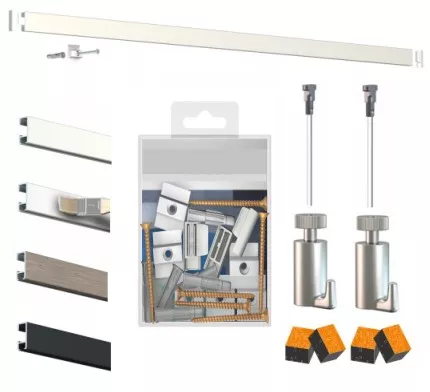
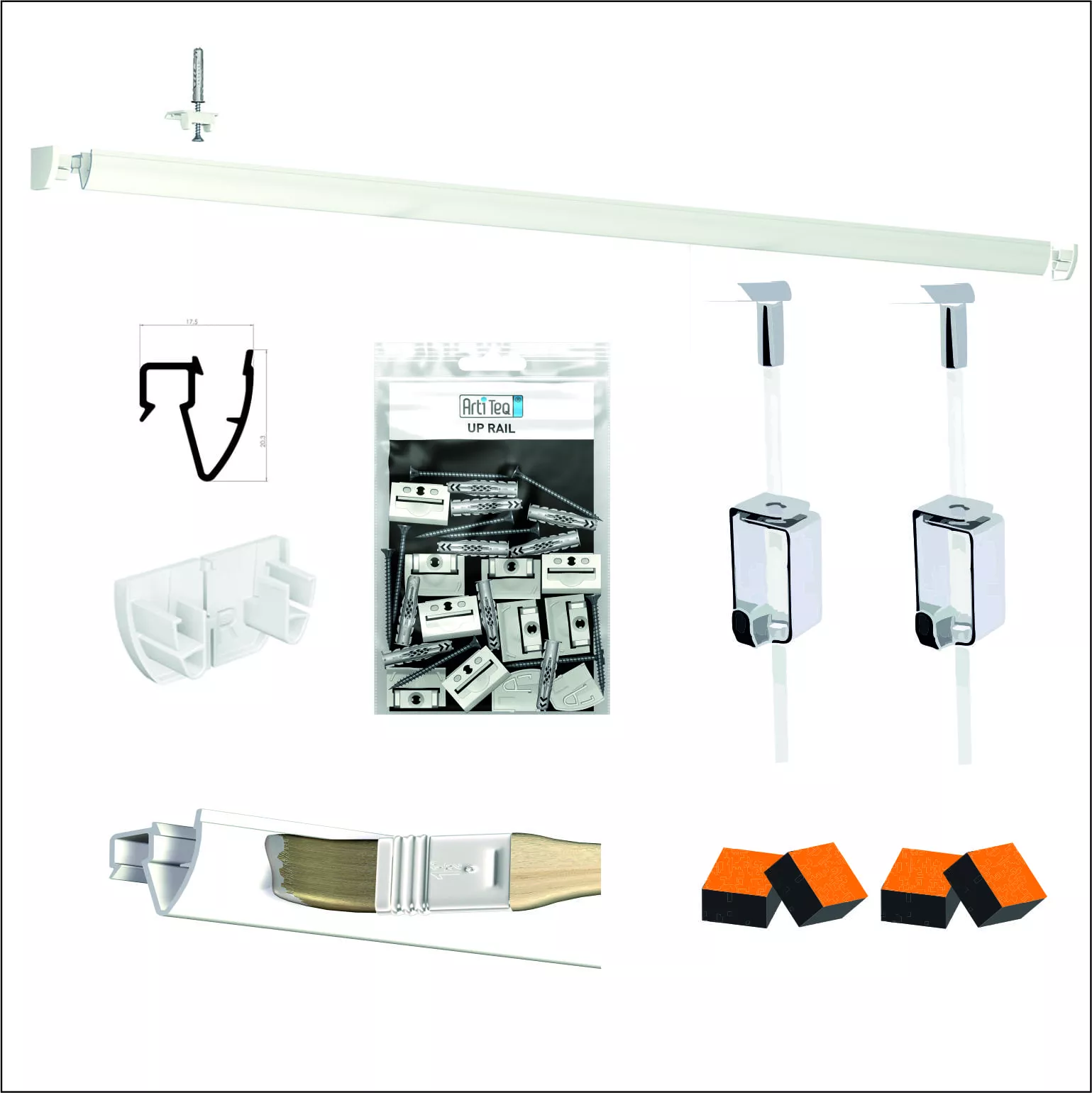
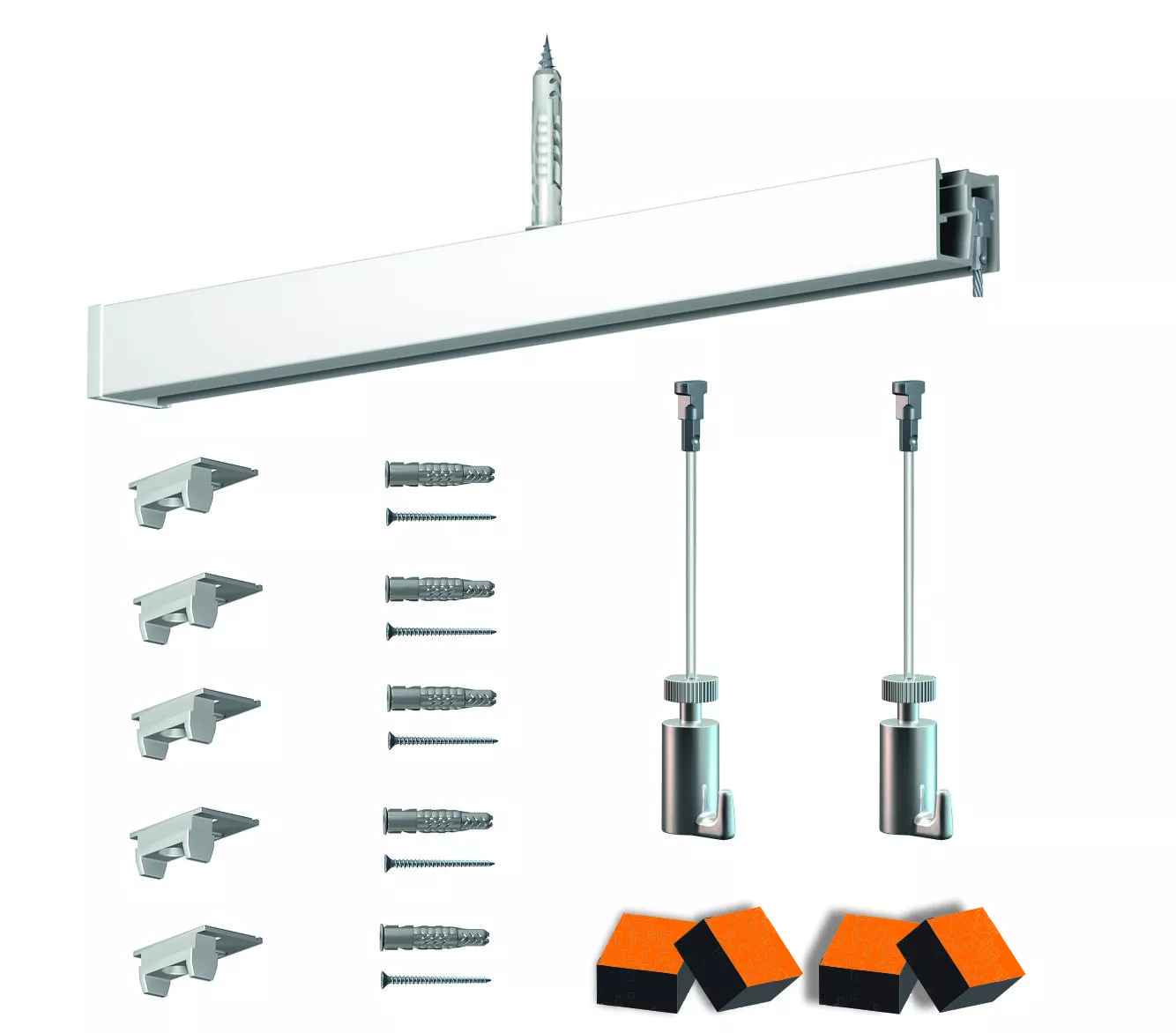
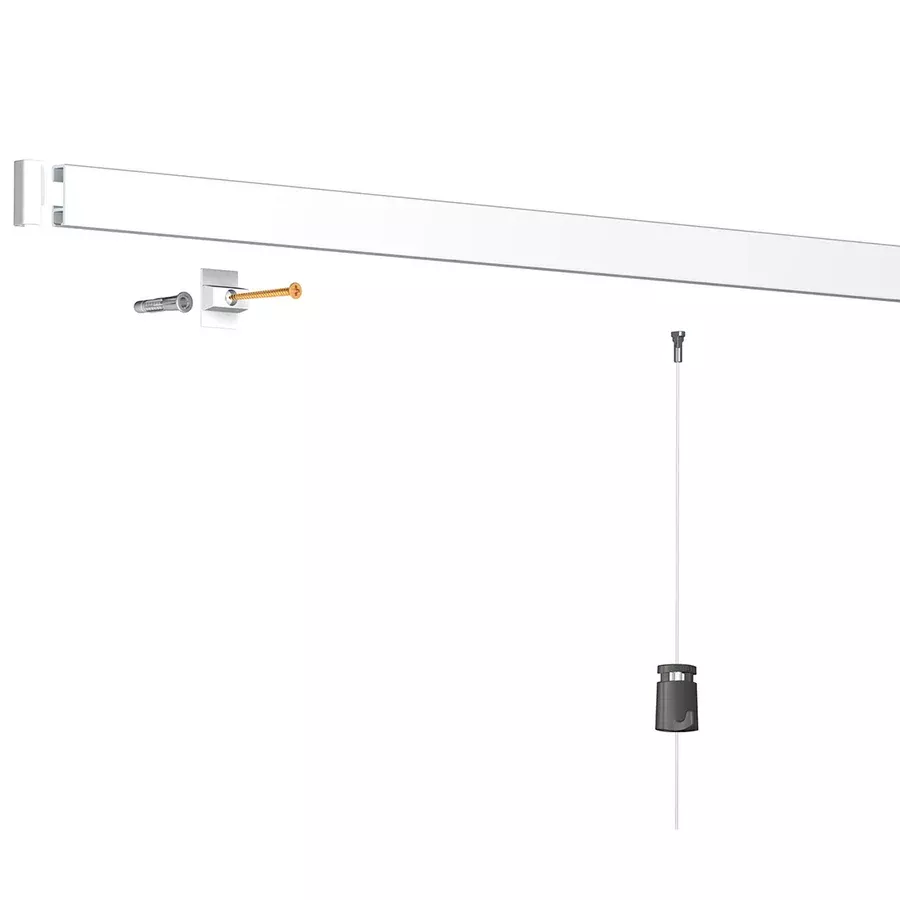
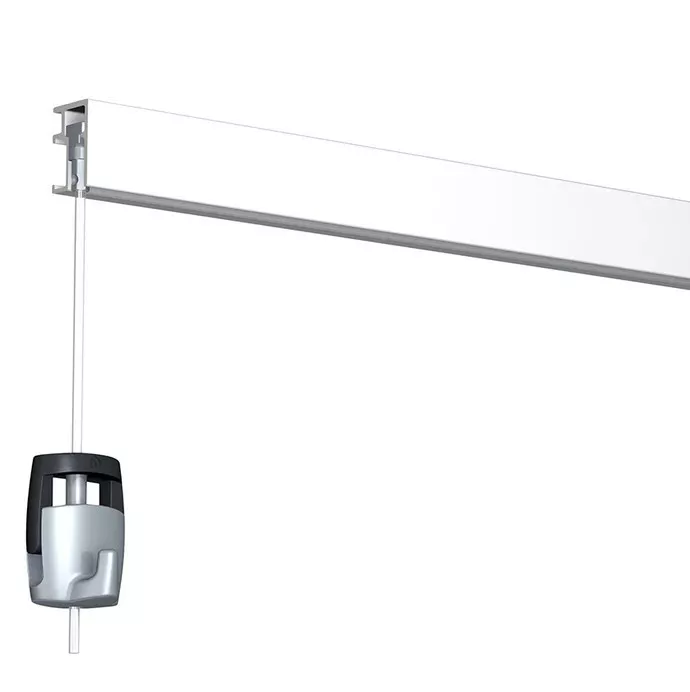
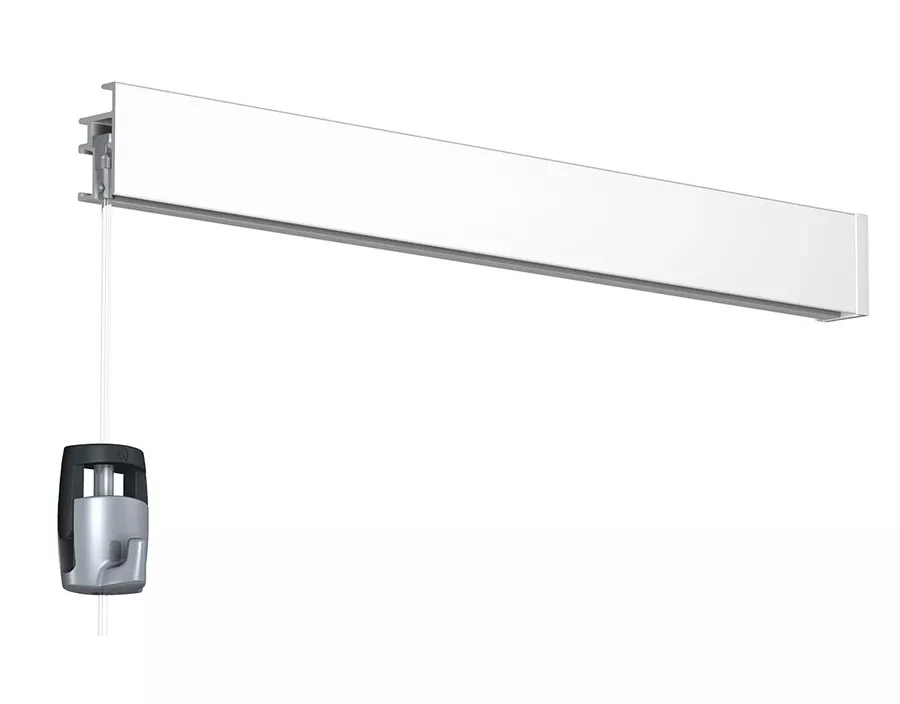
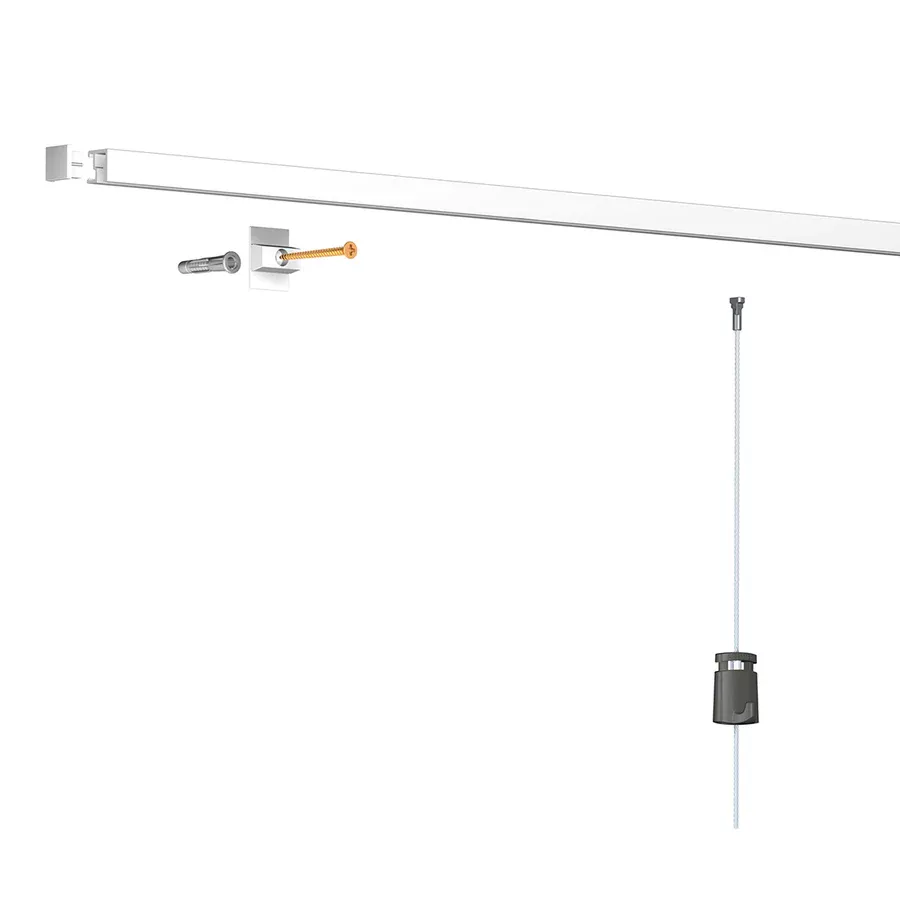
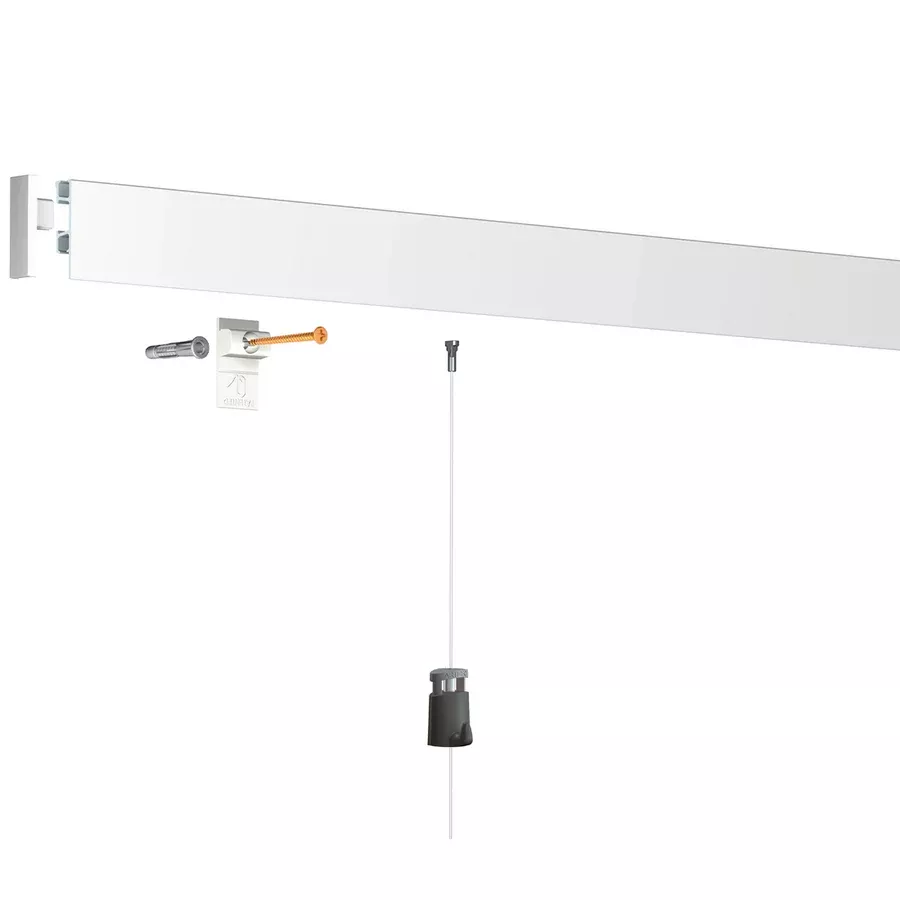
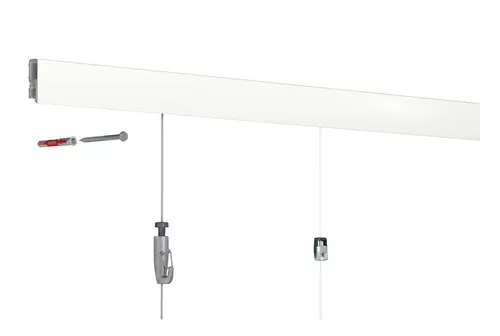
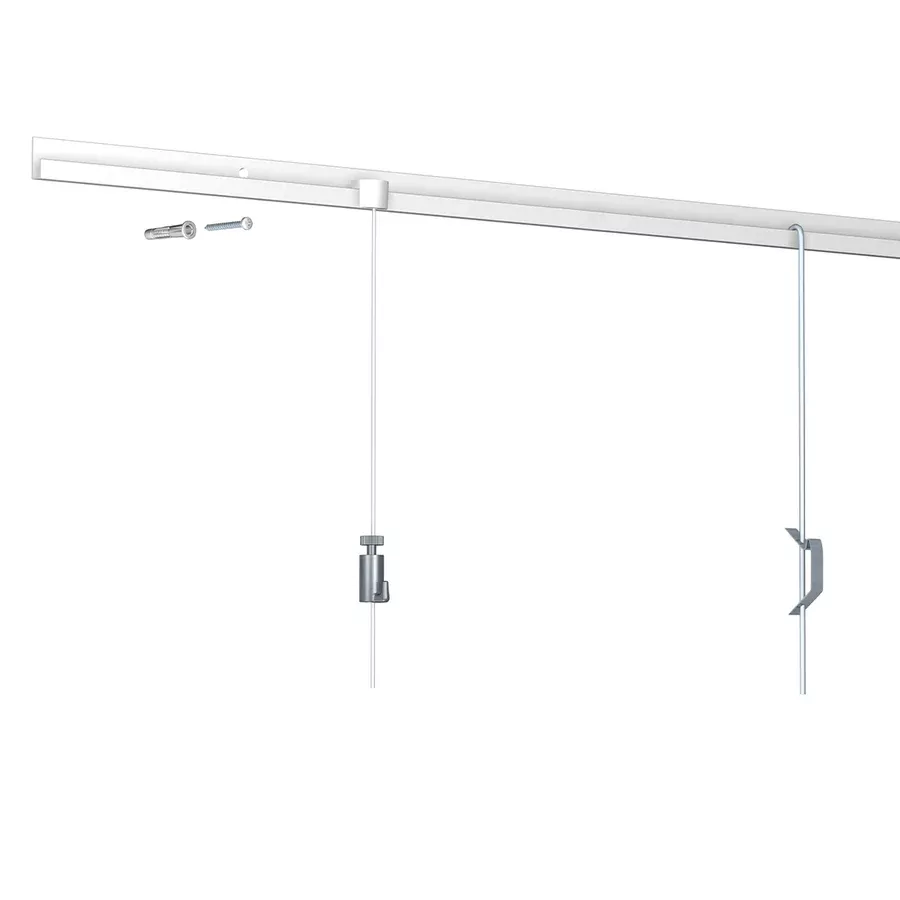
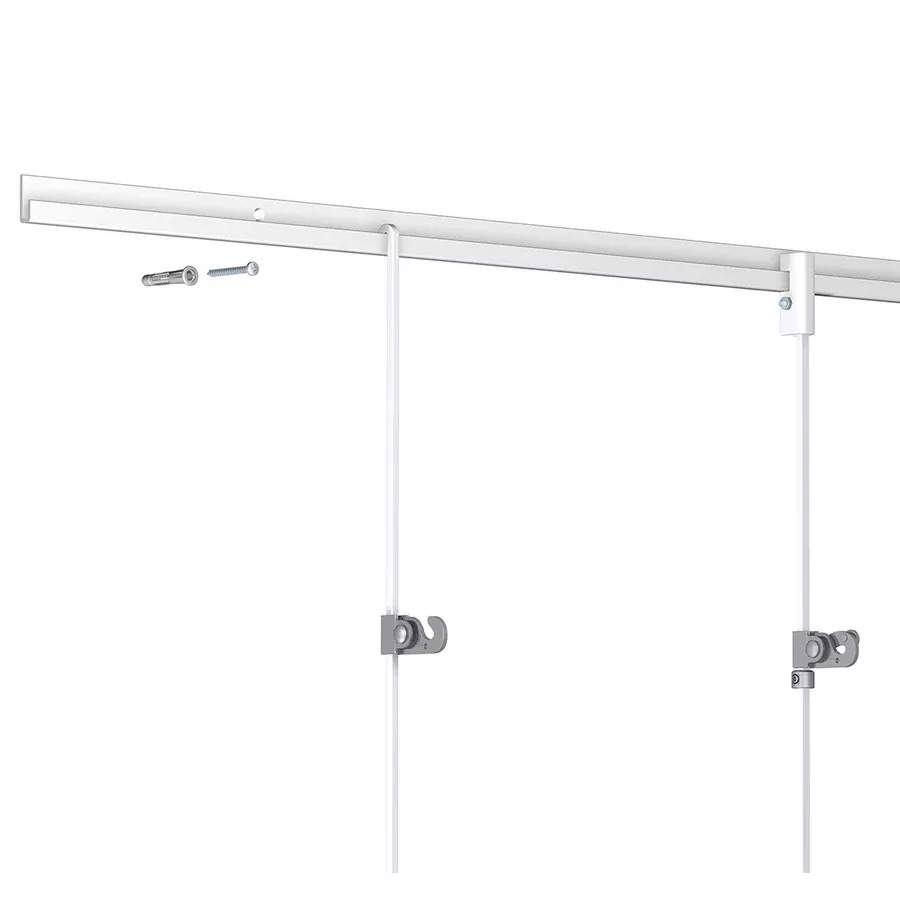
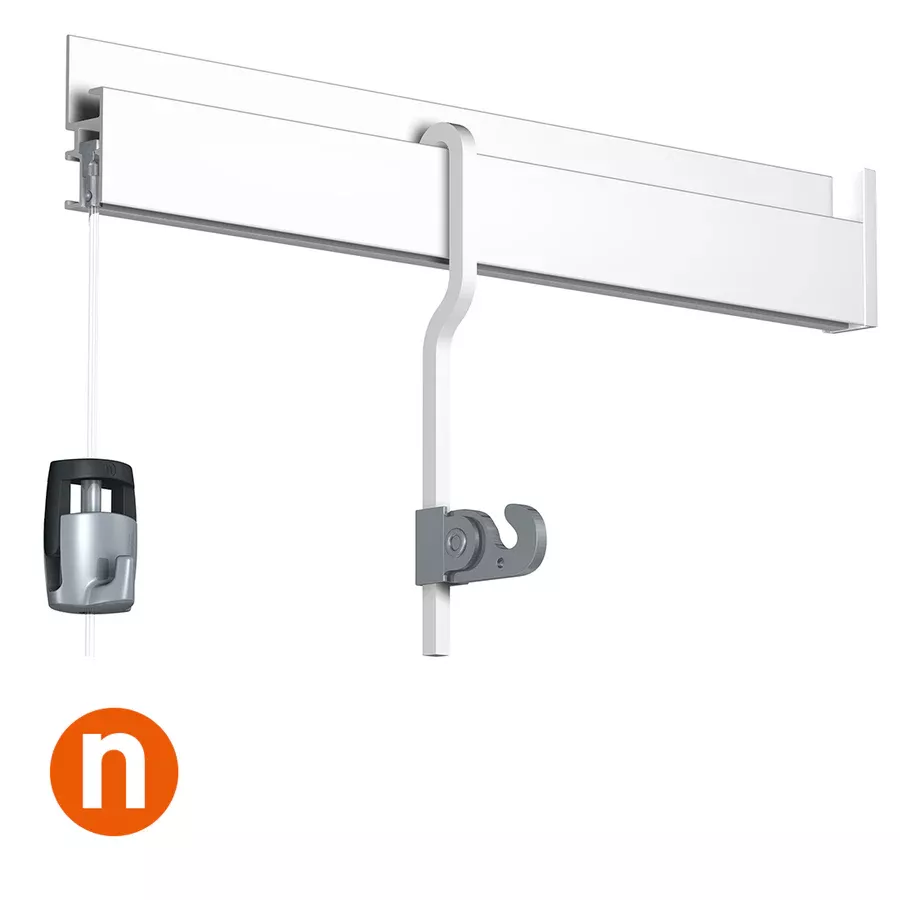
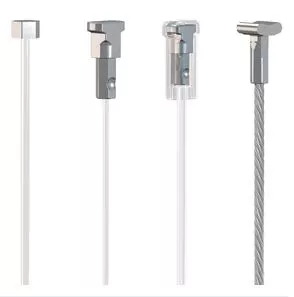
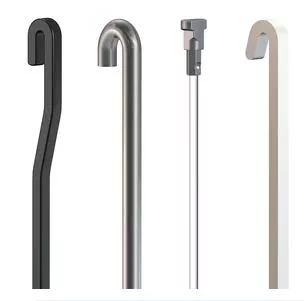
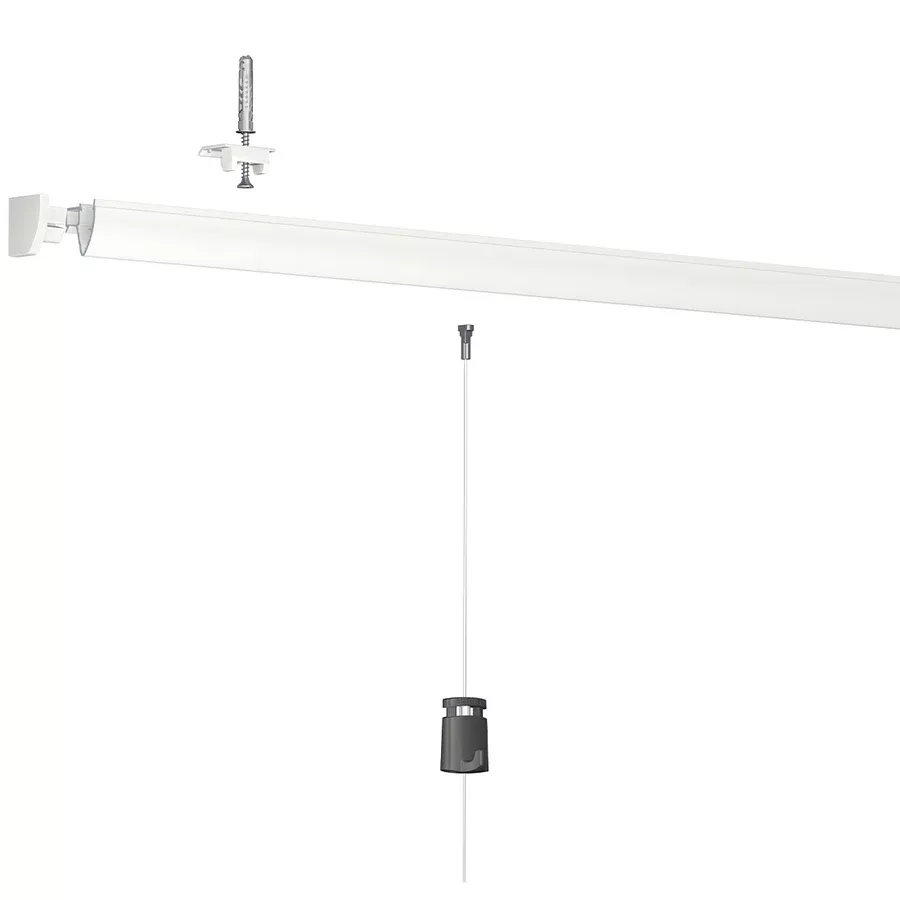
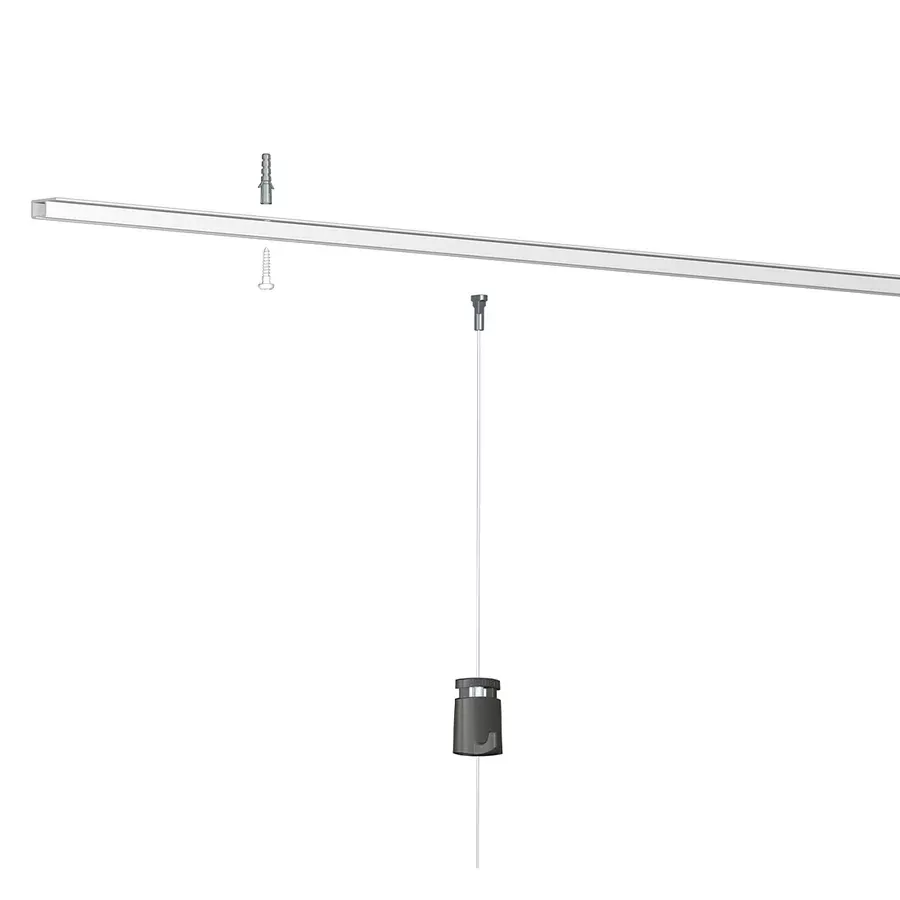
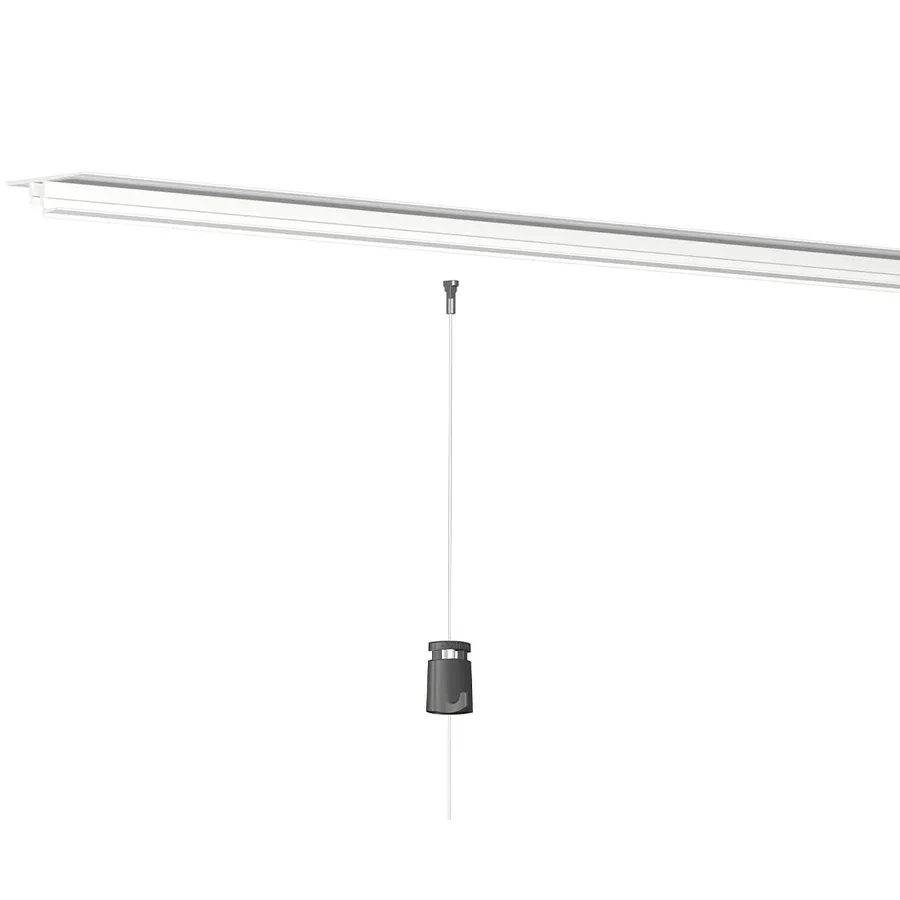
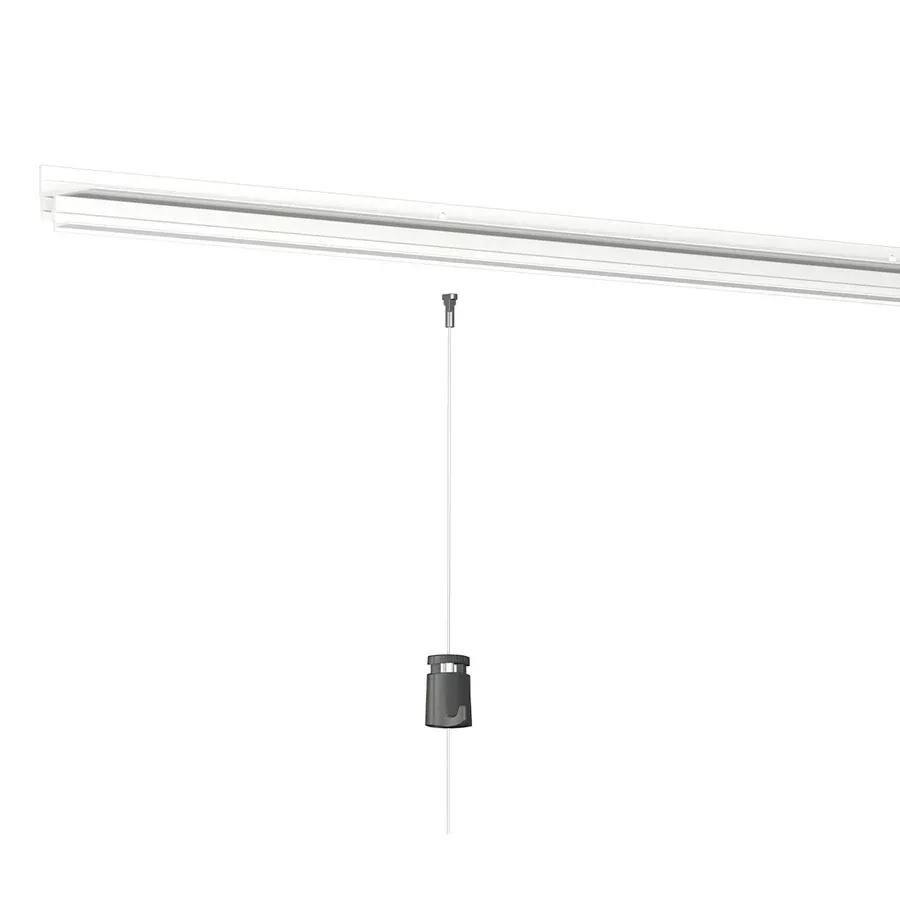
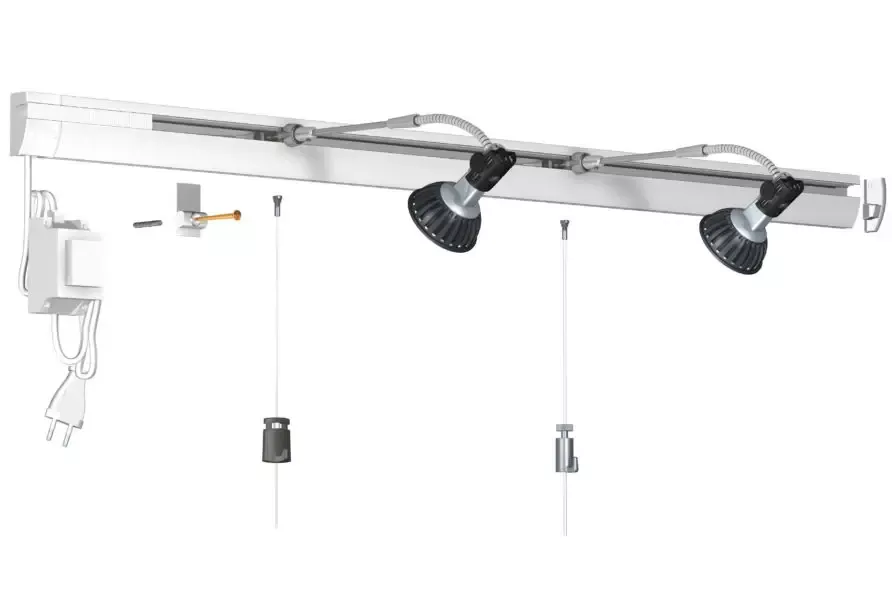
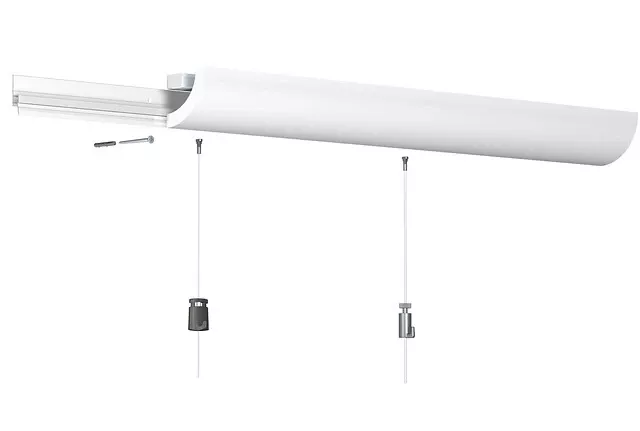
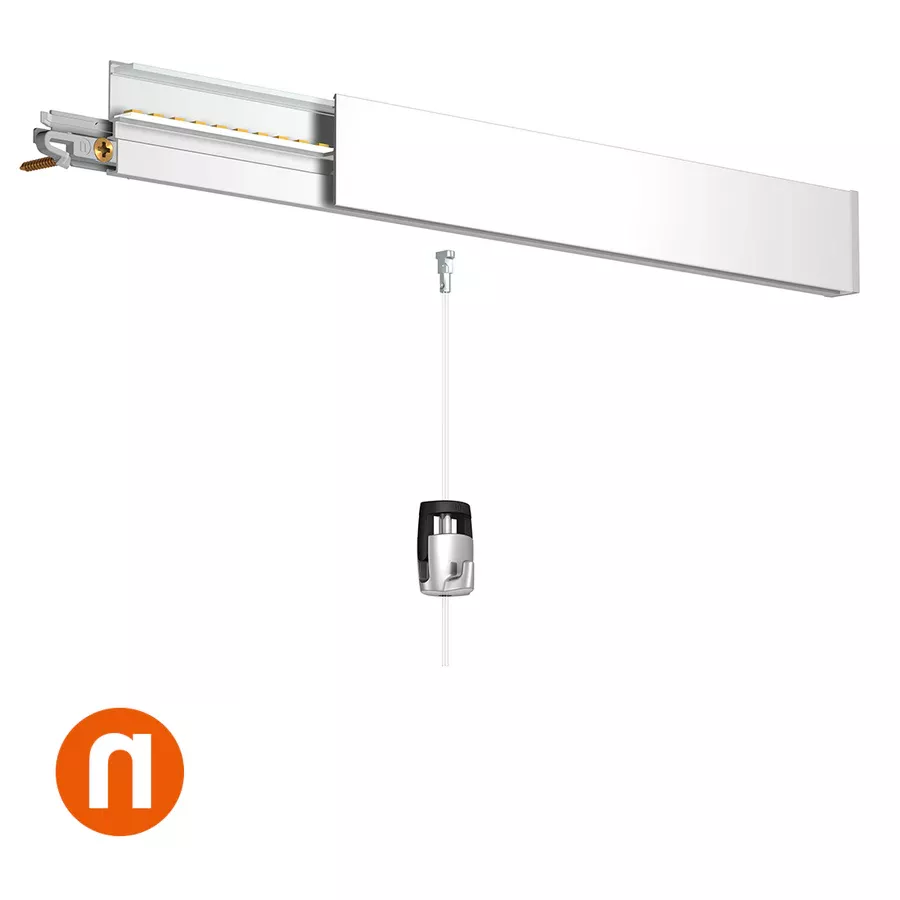
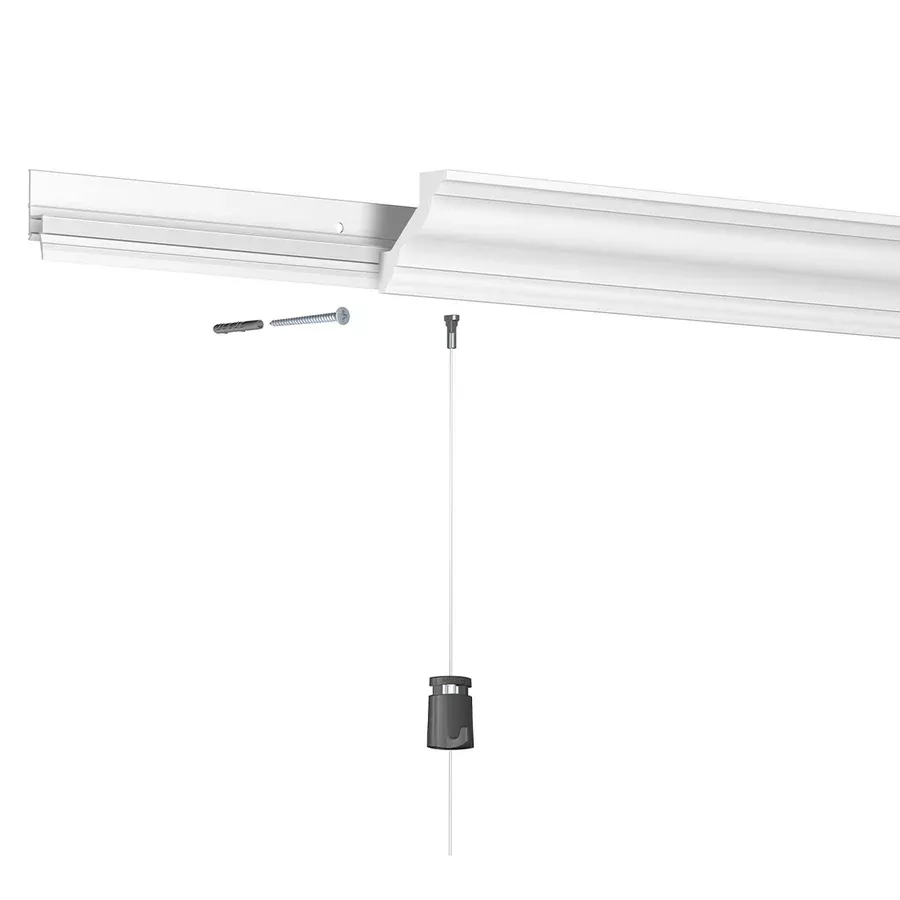
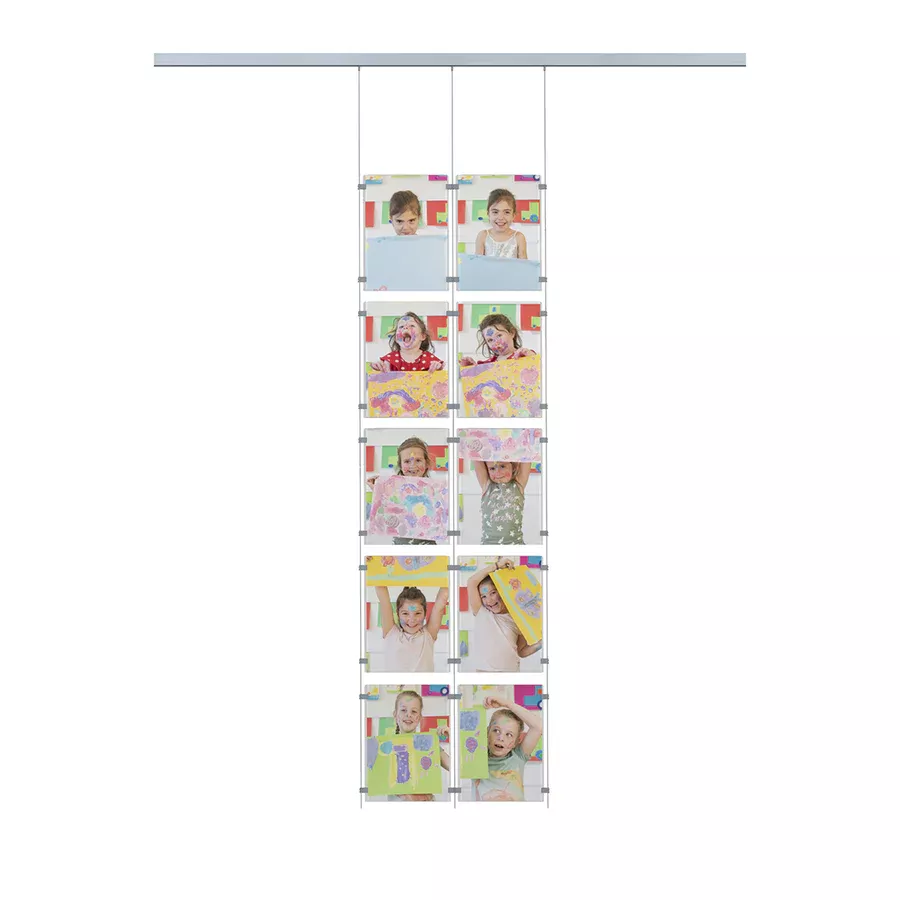
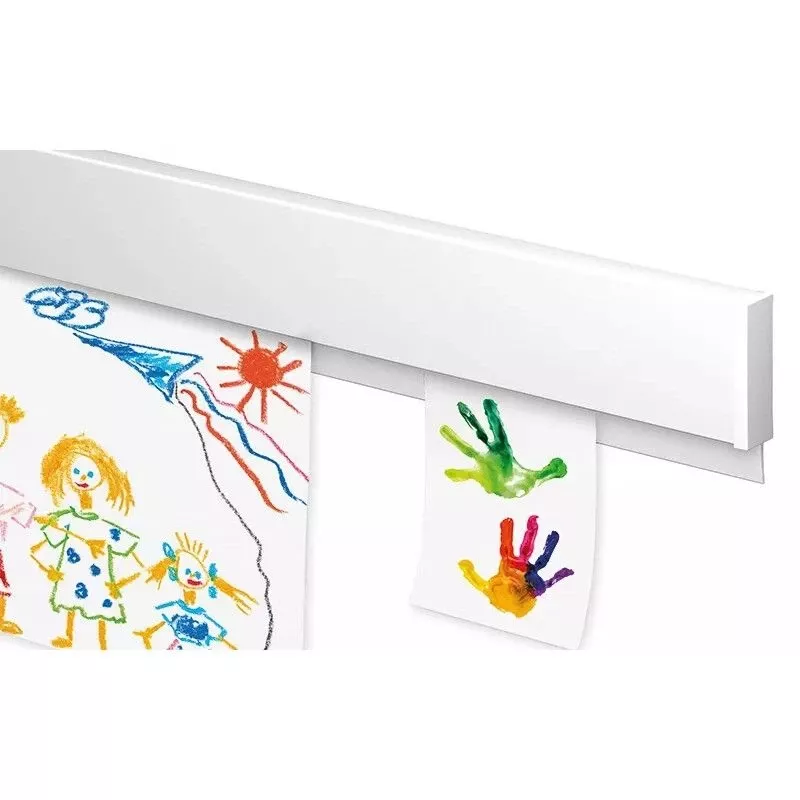
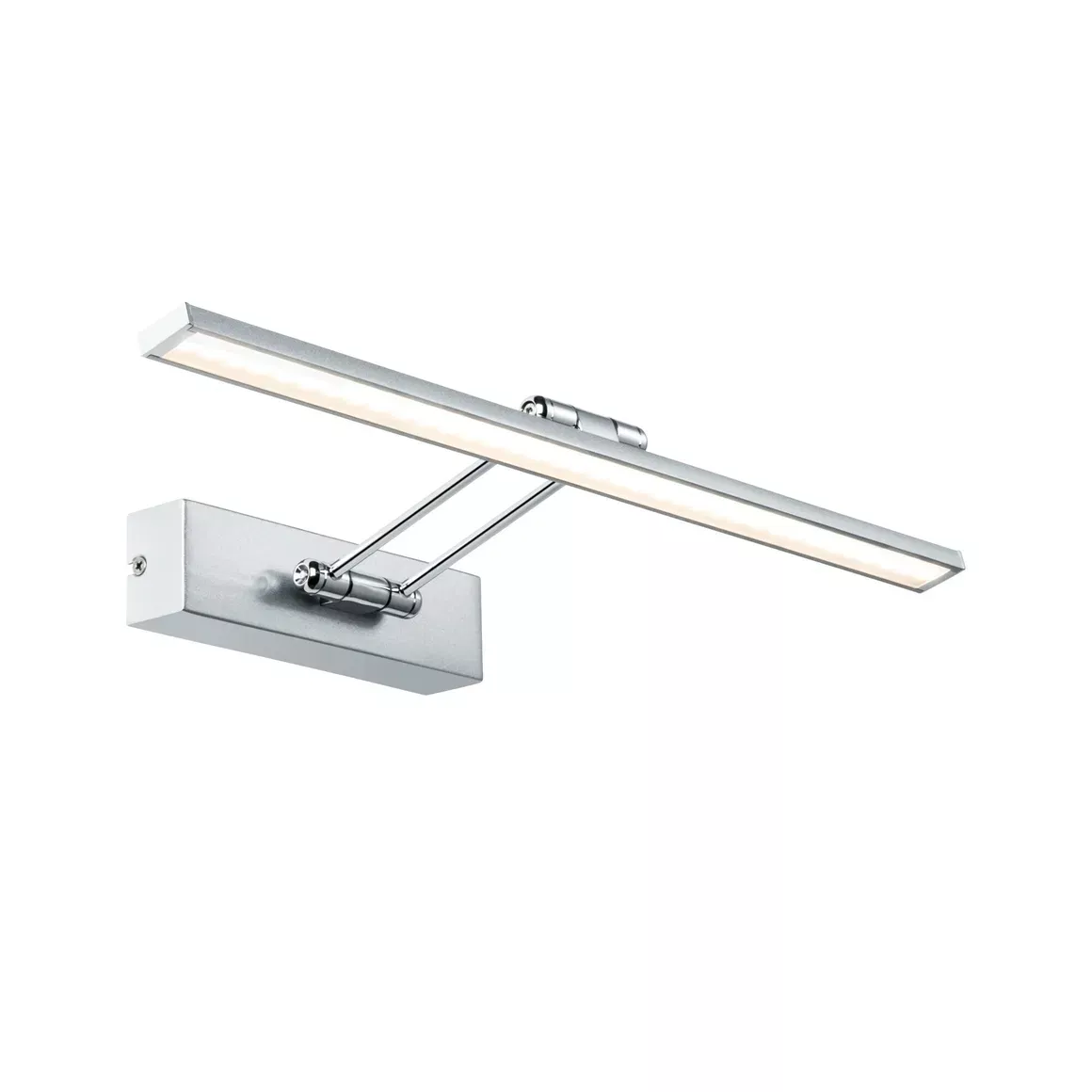
The picture rail is a molding or cornice located at the top of a wall, used to hang artworks such as paintings or photographs without directly piercing the wall. Its origin dates back to antiquity, but it has undergone several evolutions throughout the history of architecture and art.
-
Ancient origins: The term "picture rail" has its roots in the Latin word cima, which referred to a top crown or border. In ancient civilizations, this molding was often used to crown walls or delineate space.
-
Renaissance and Baroque periods: The picture rail became an increasingly decorative architectural element during the Renaissance and the Baroque era. It was used in palaces, churches, and official buildings to frame frescoes and murals. It also served to protect the artworks from weather and damage while providing a support for hanging them.
-
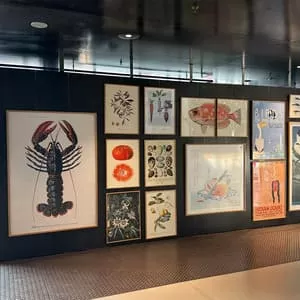
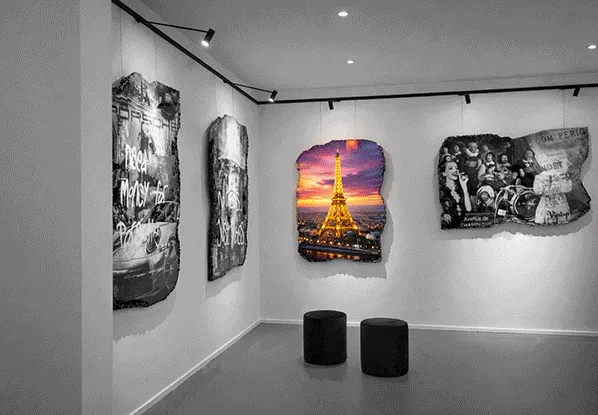
Modern use: From the 18th century onwards, the picture rail became more common in art galleries, where it is specifically used to hang paintings. It allows for easy changing of artworks without damaging the walls, which is essential in a museum environment.
Thus, the picture rail has evolved from a simple architectural element to a functional and decorative tool in the context of hanging artworks.
Share this content