









What weight can a picture rail support?
The weight that a picture rail system can support mainly depends on the type of rail system, its fixing mechanism, and the type of wall it is installed on. Here are the main guidelines:
? Types of picture rails and weight capacity
-
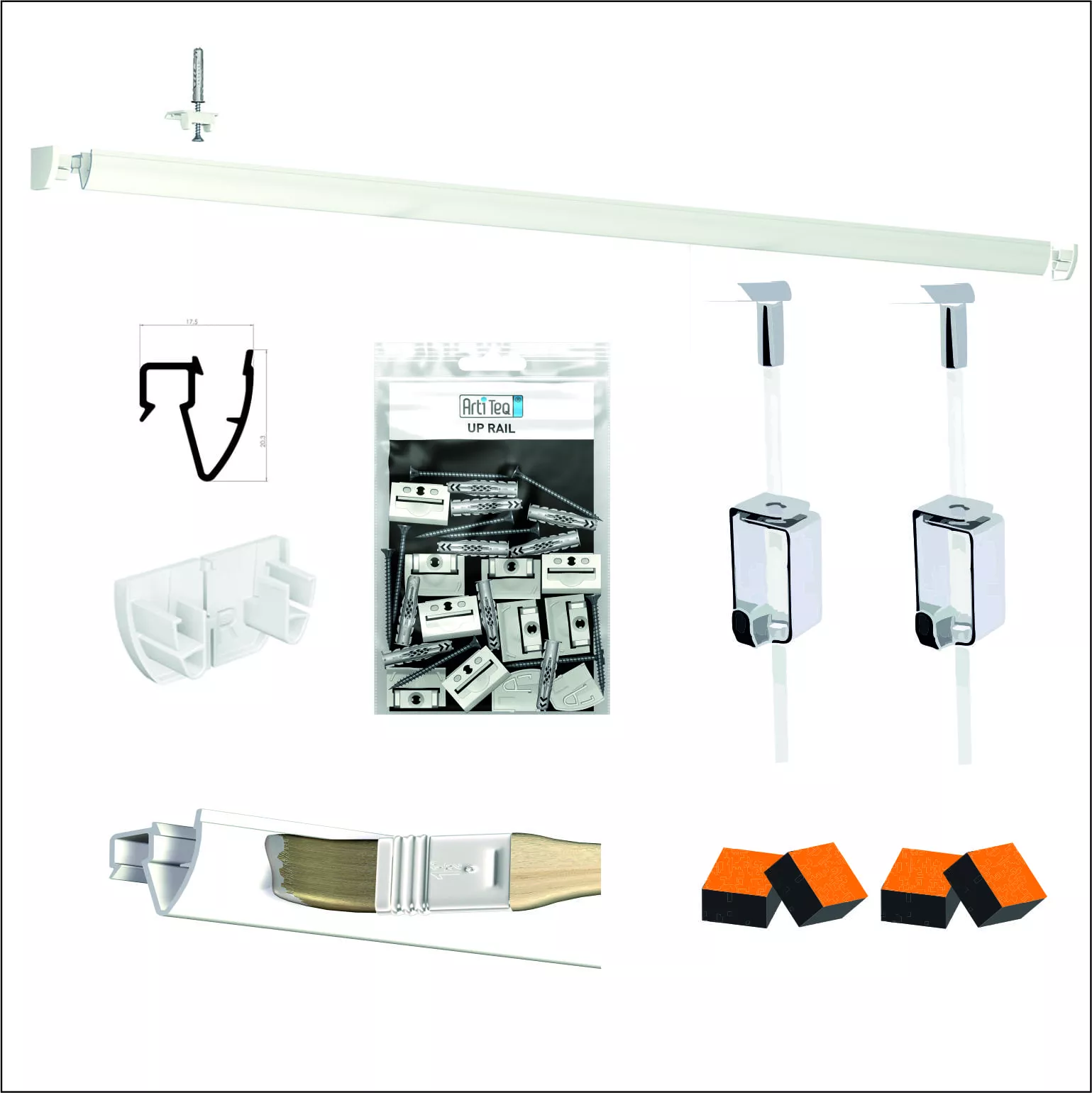
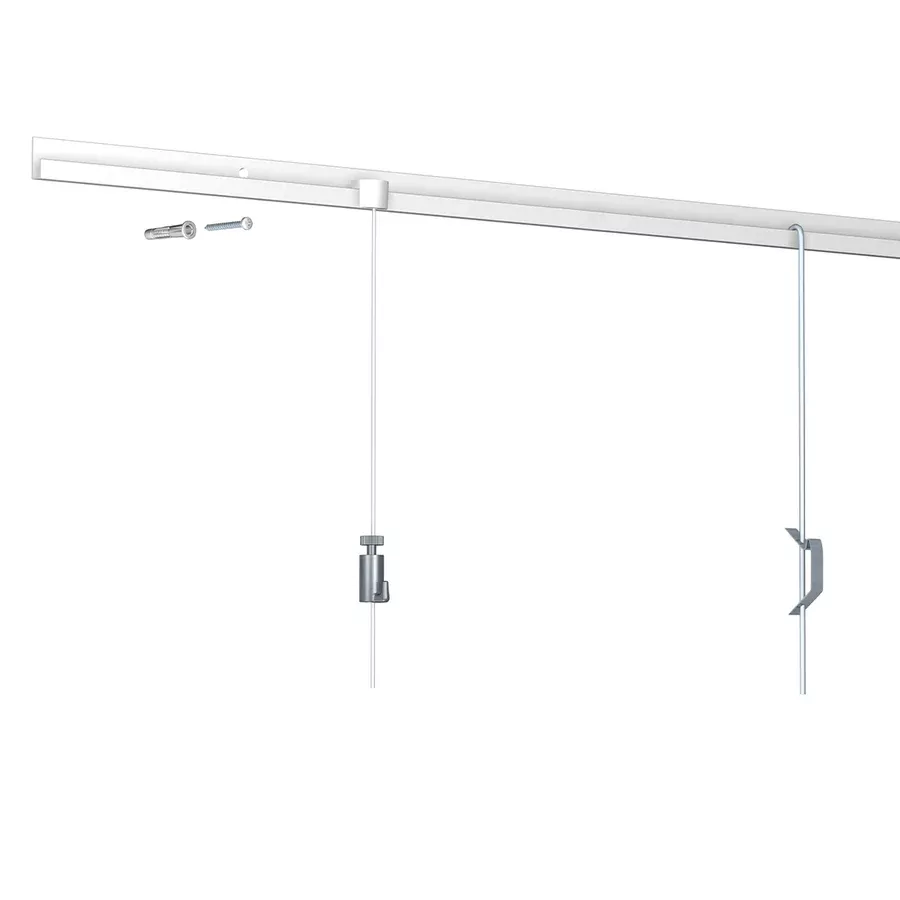
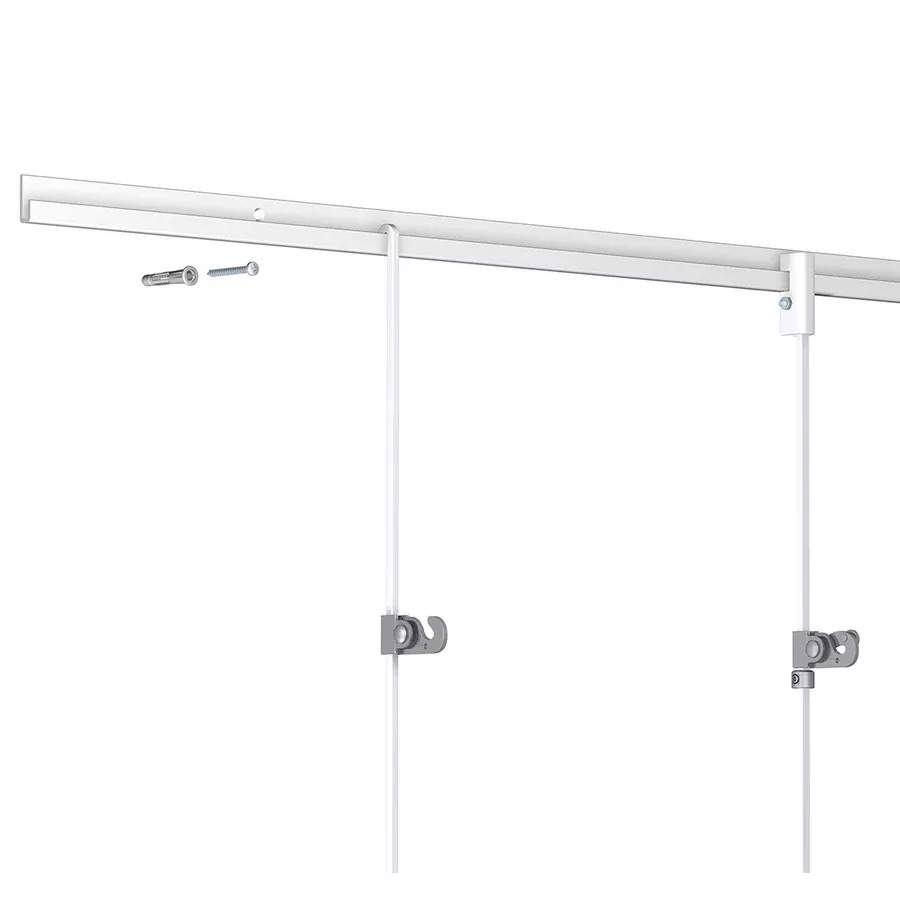
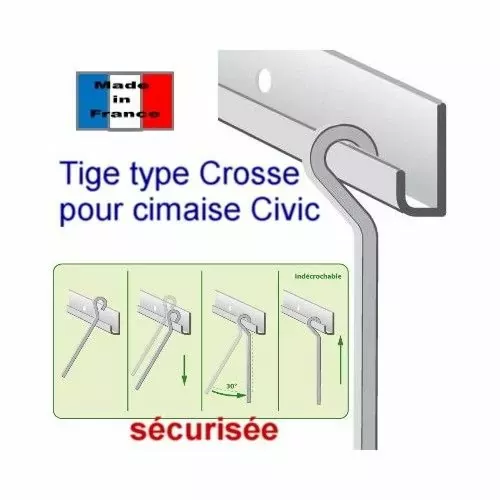
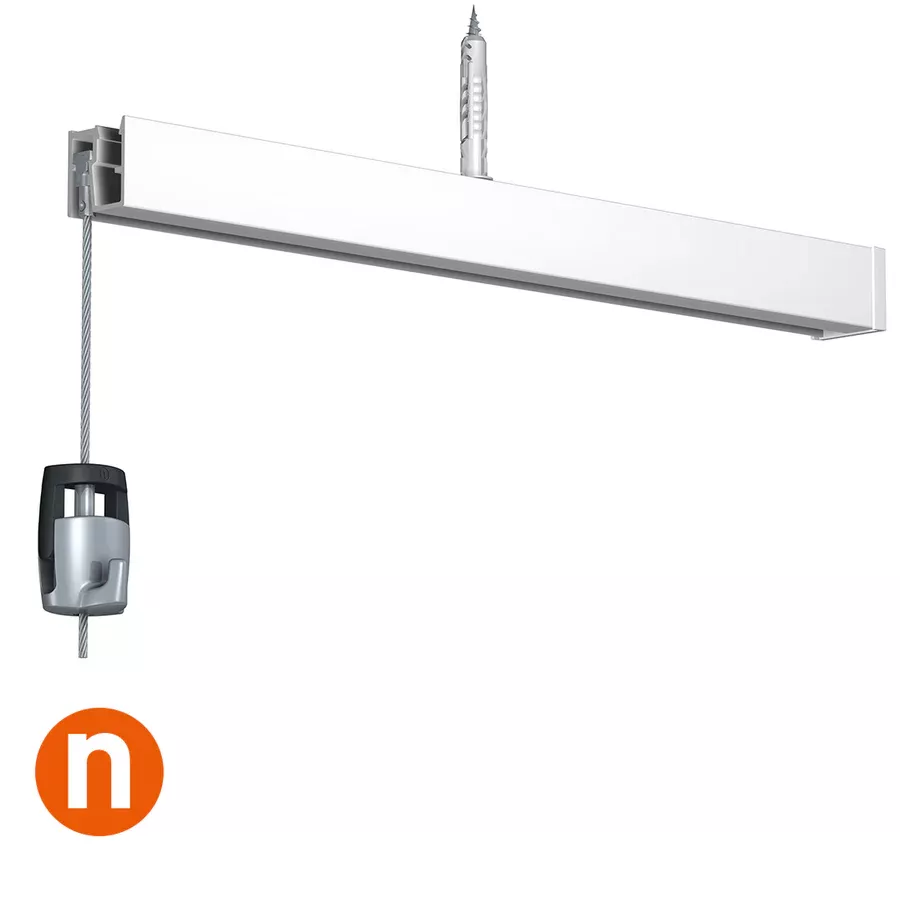
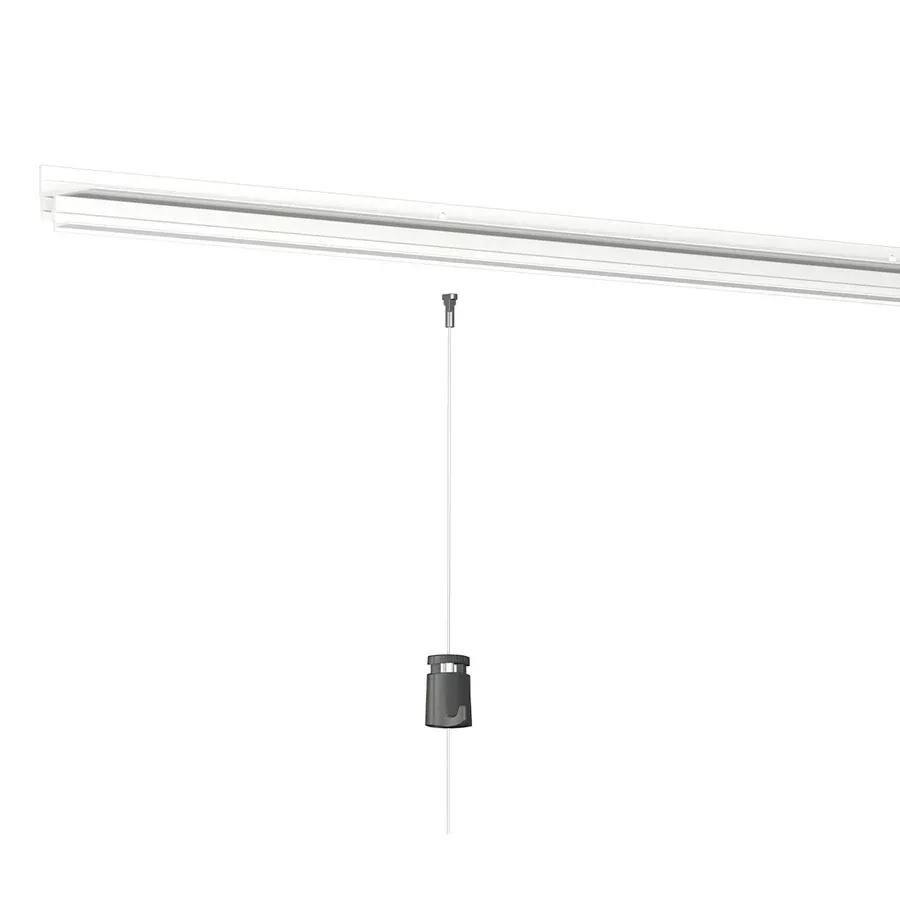
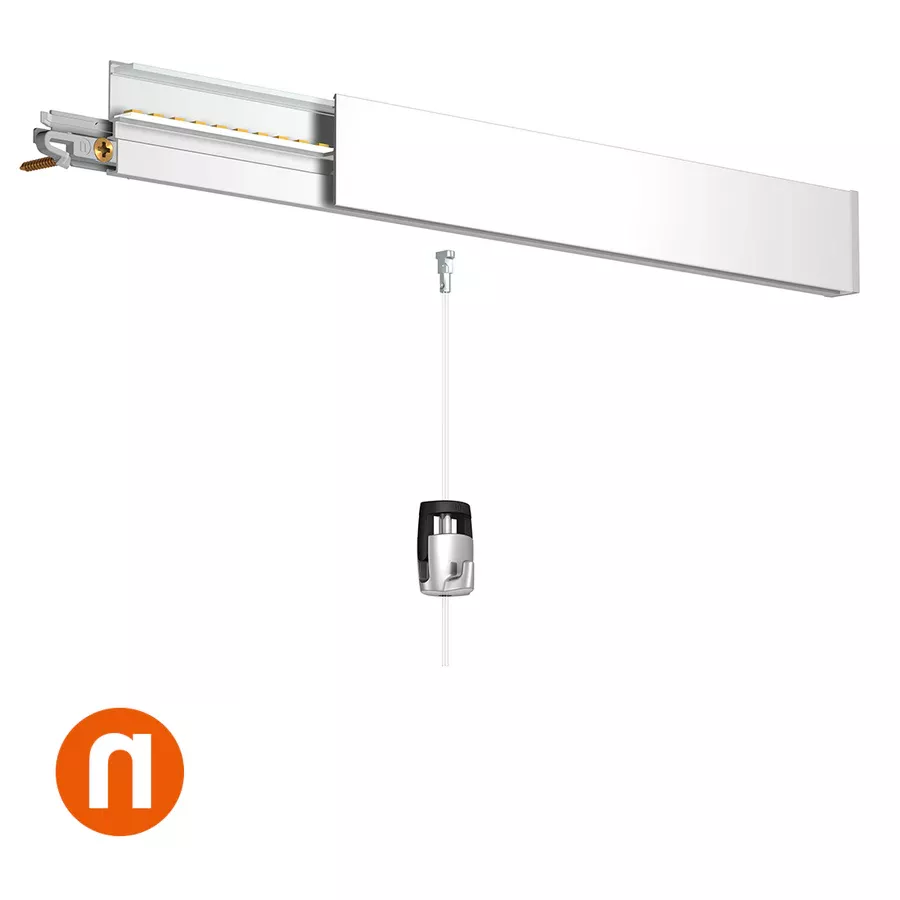
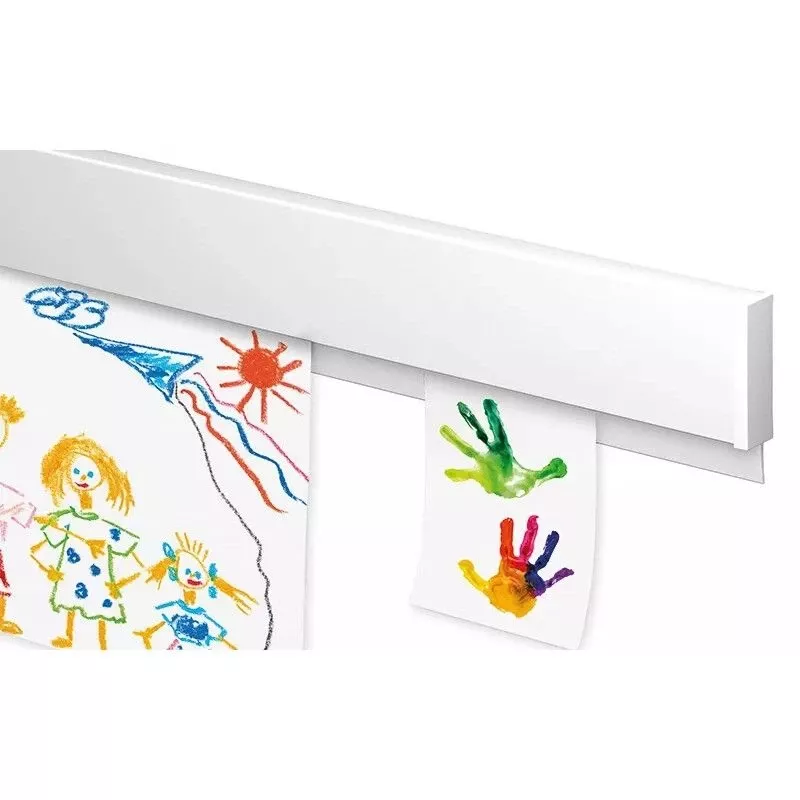
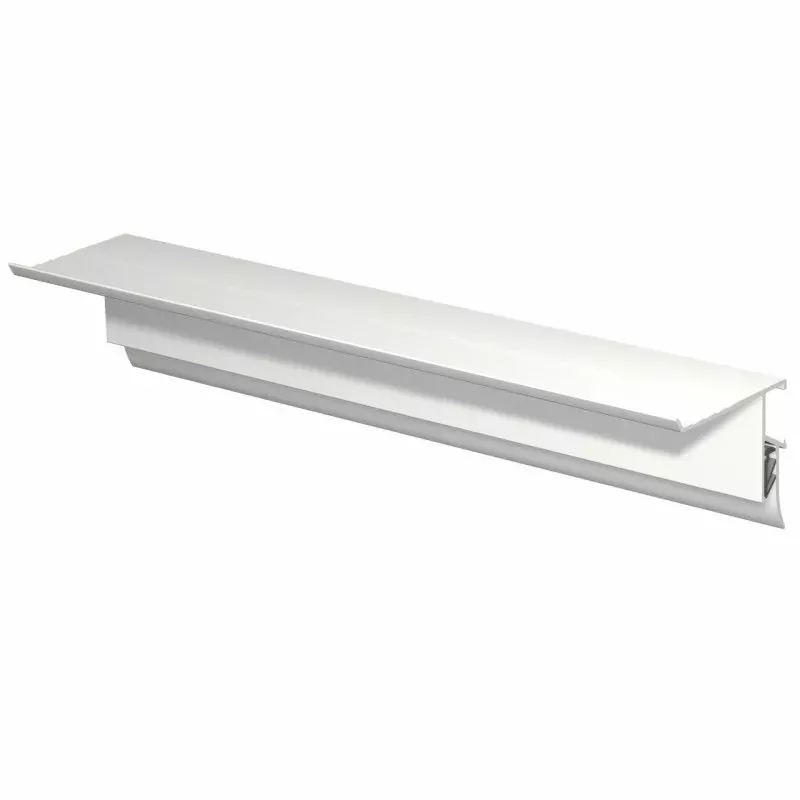
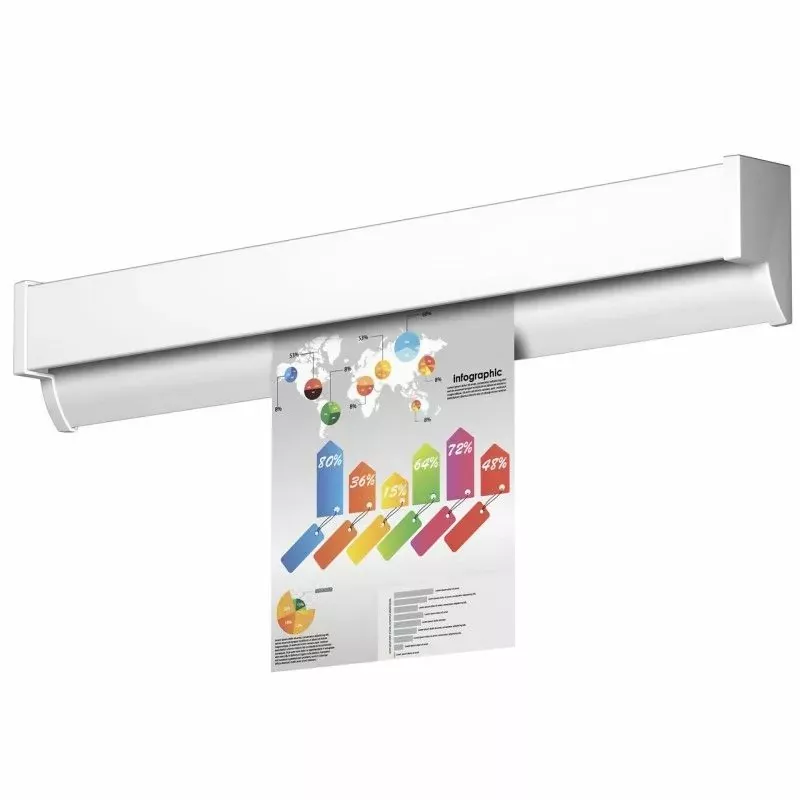
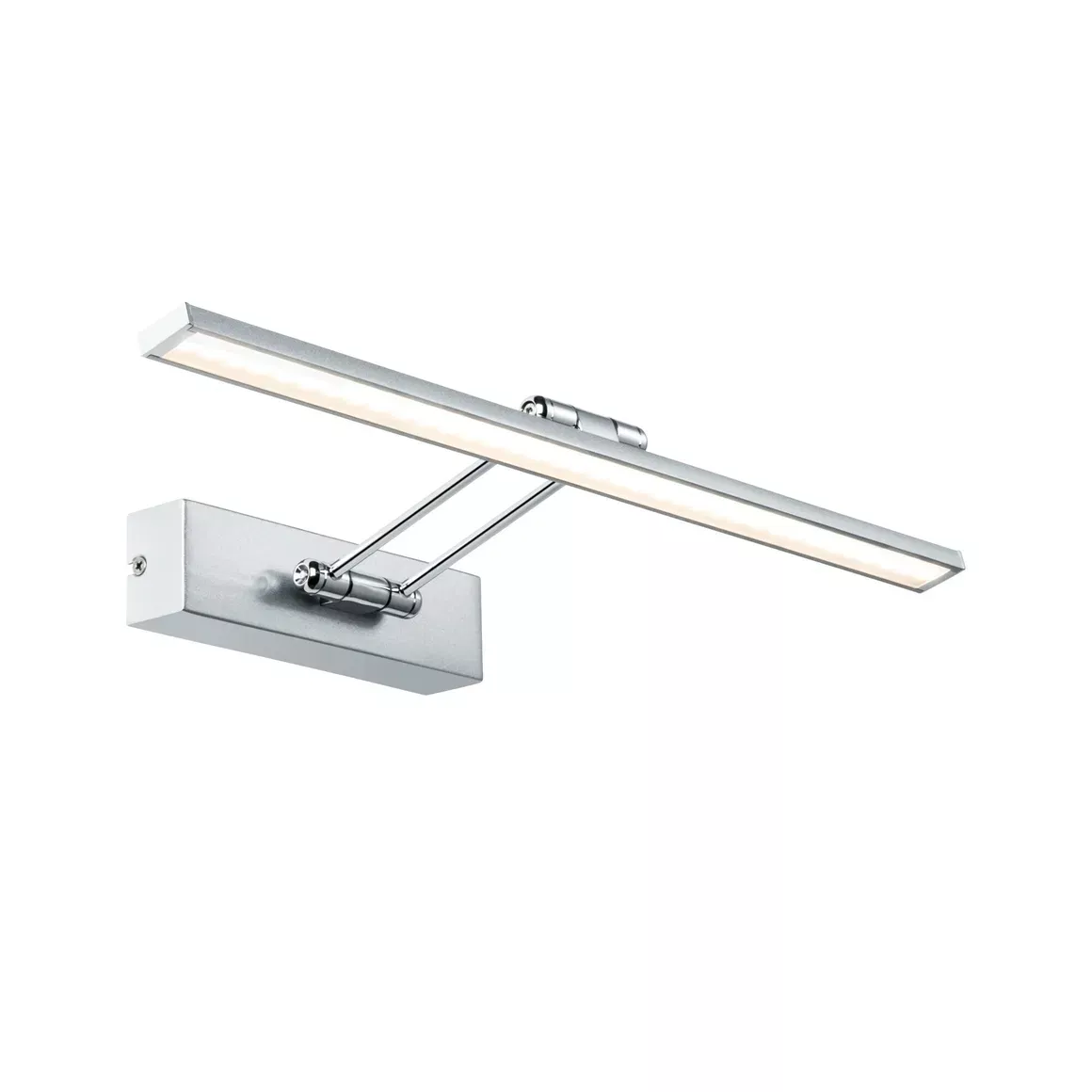
Aluminum picture rail (classic wall-mounted)
-
Weight capacity: up to 20 kg per meter, sometimes more depending on the model.
-
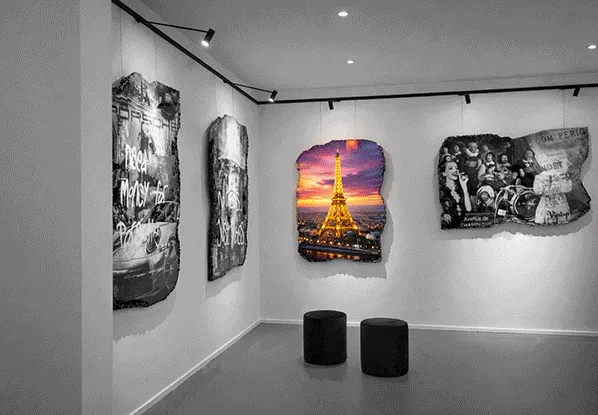
Commonly used in galleries or museums.
-
-
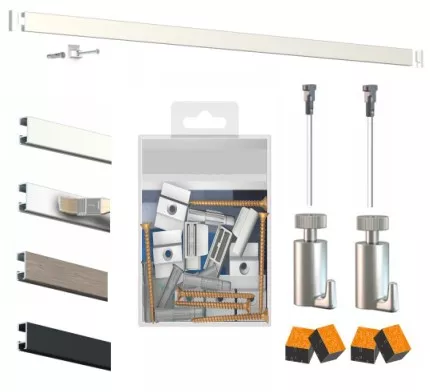
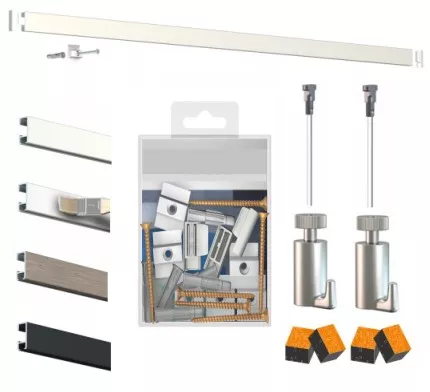
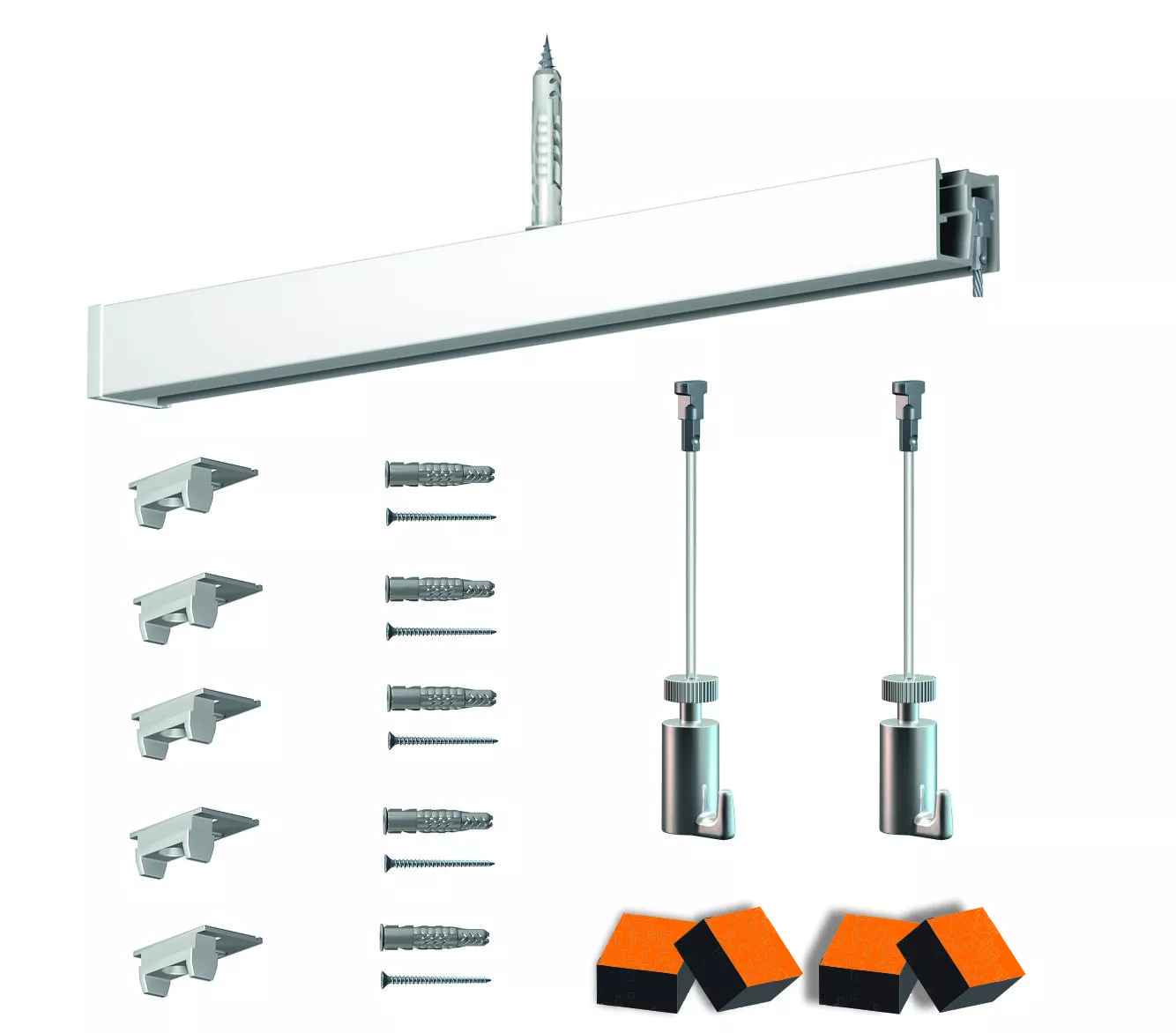
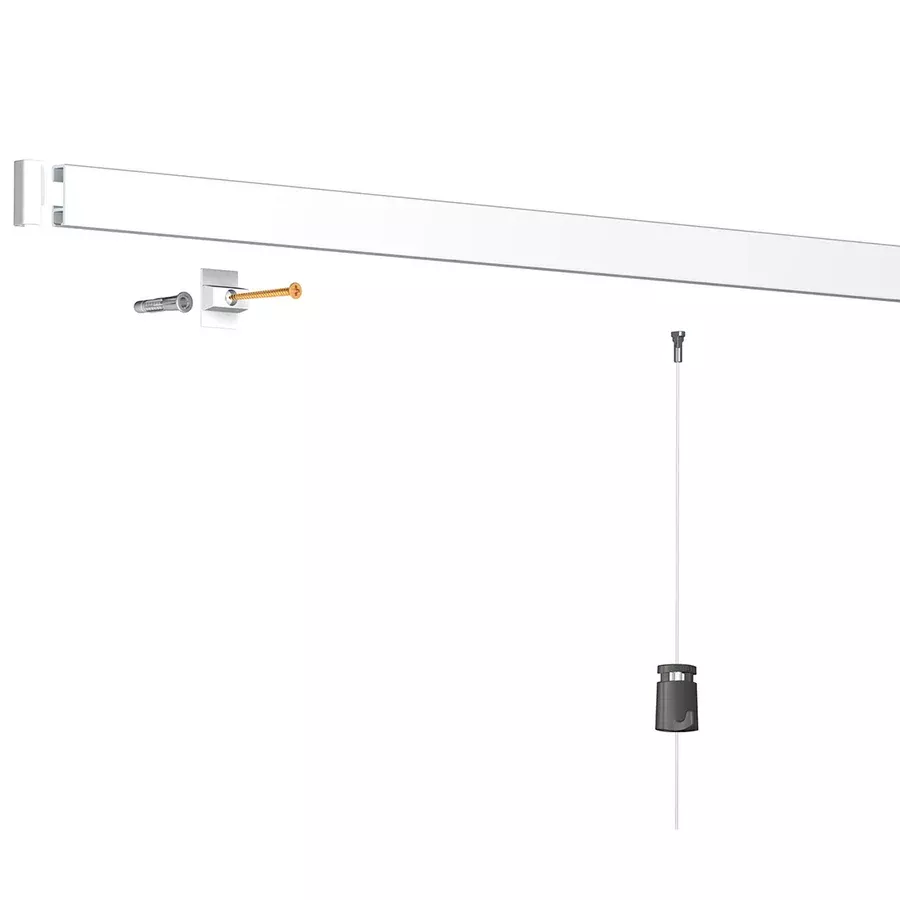
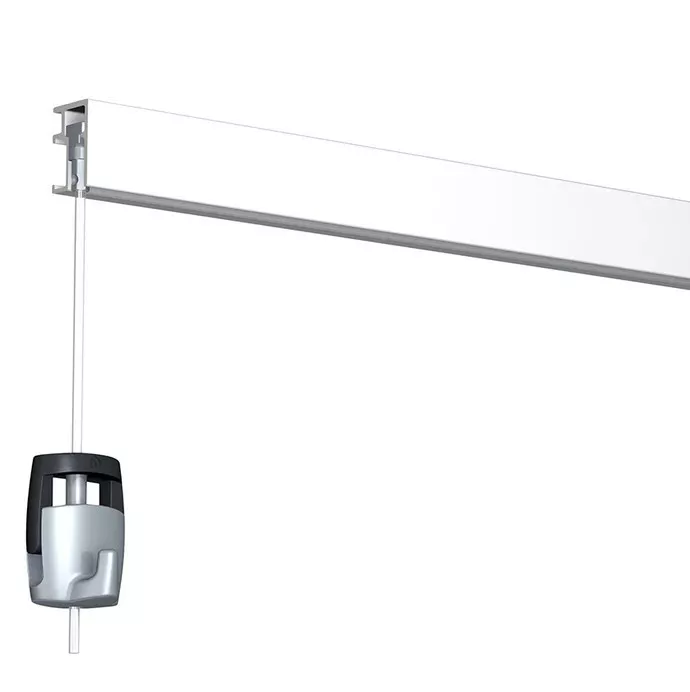
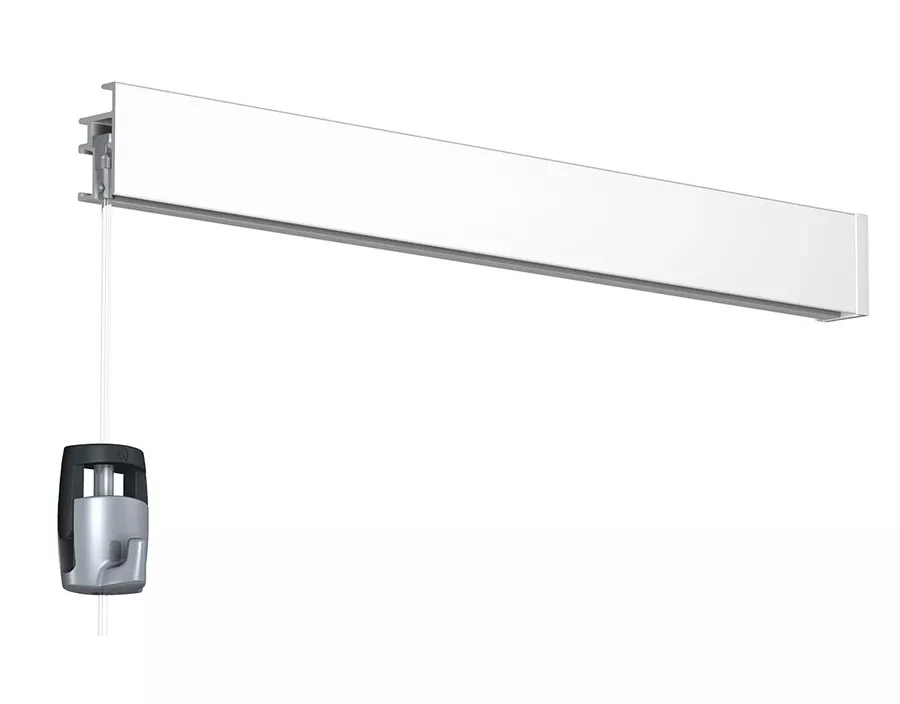
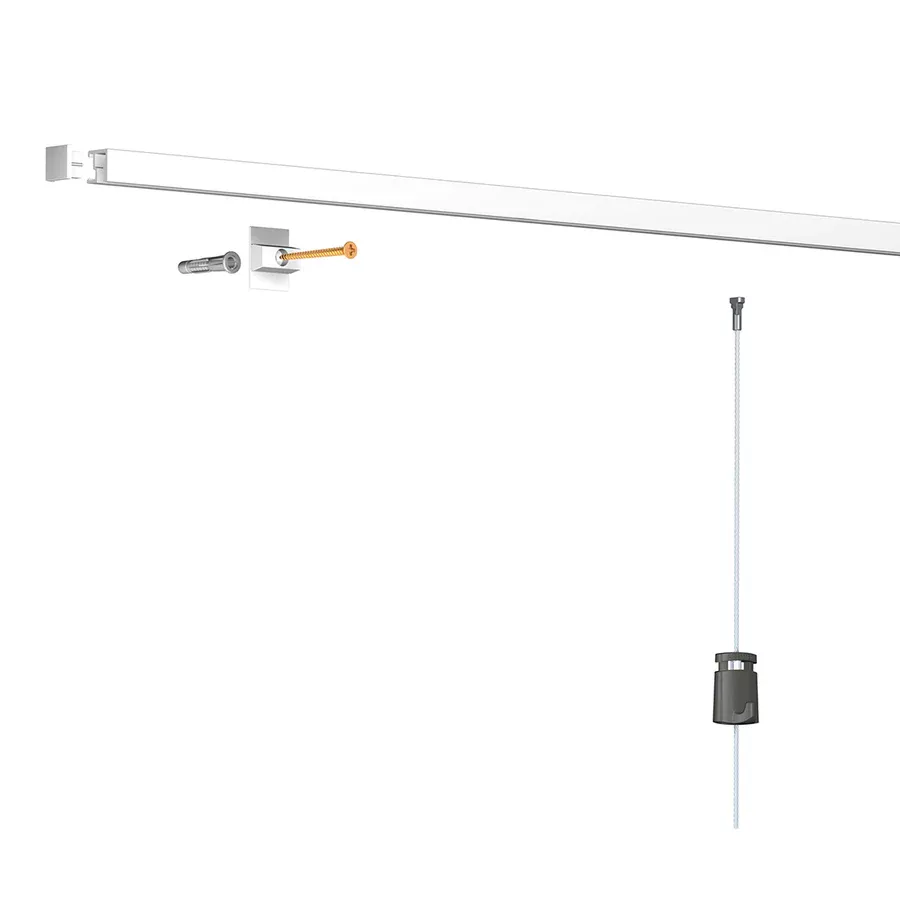
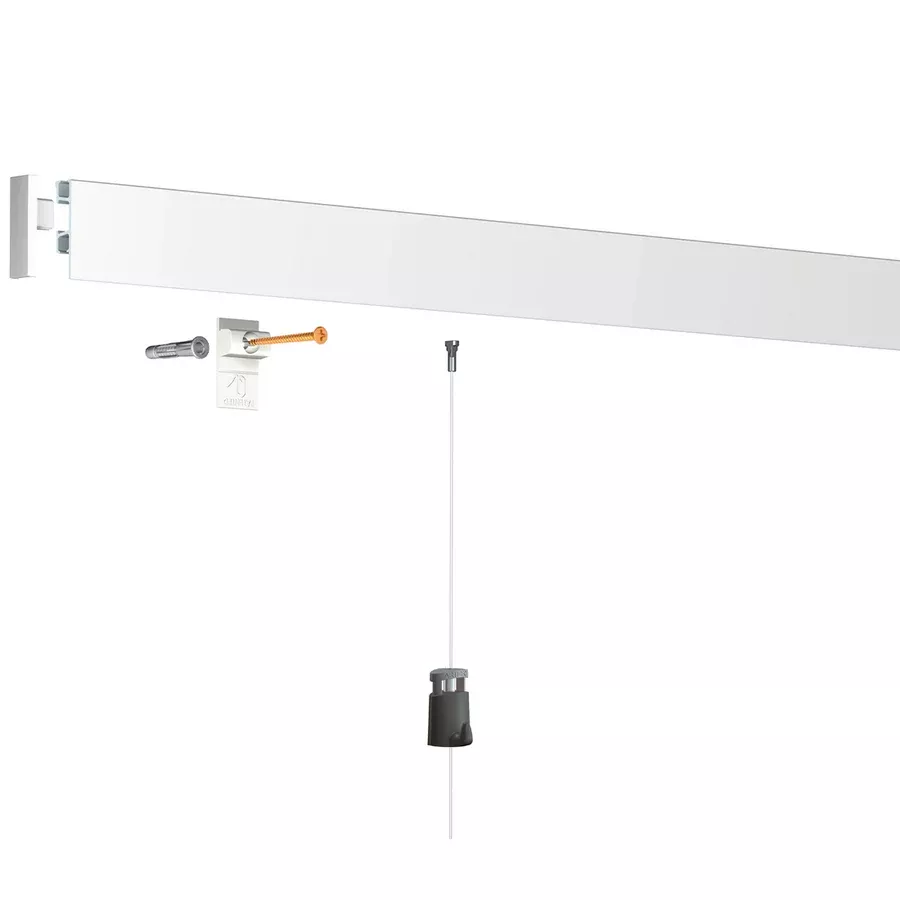
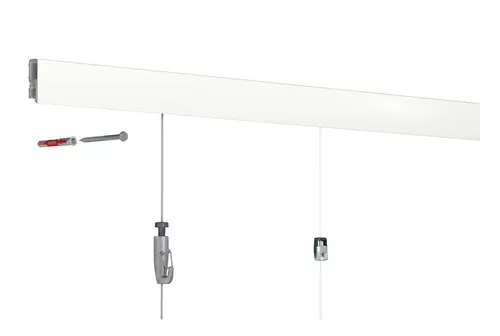
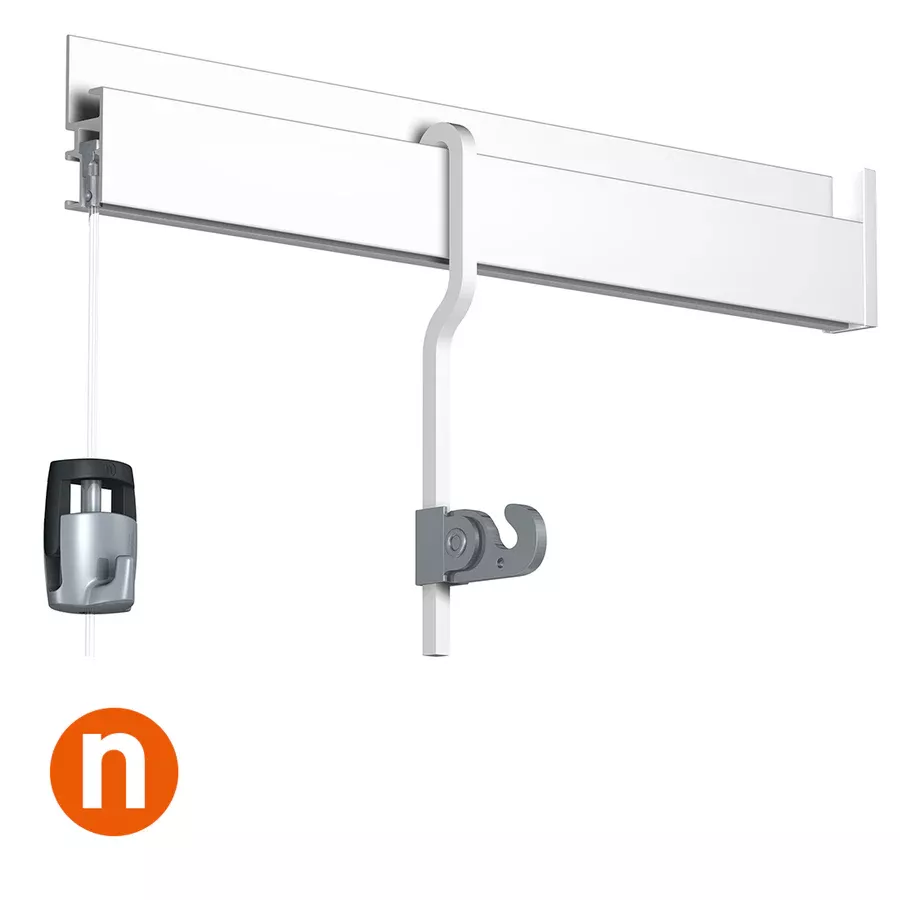
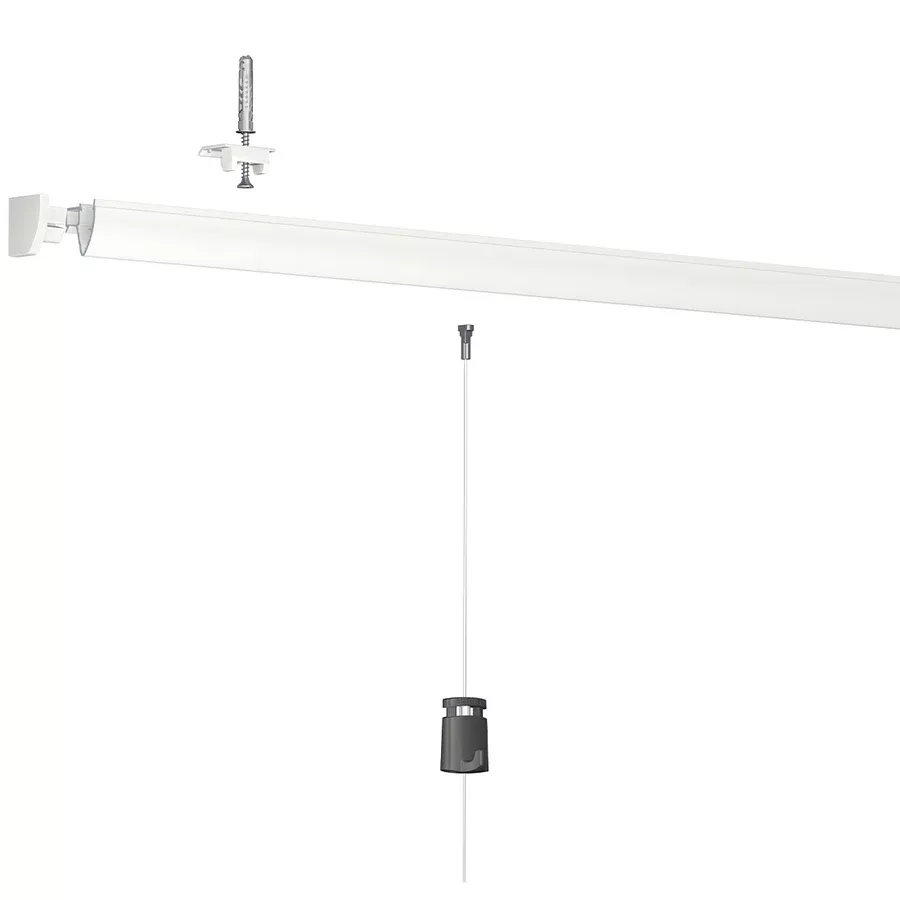
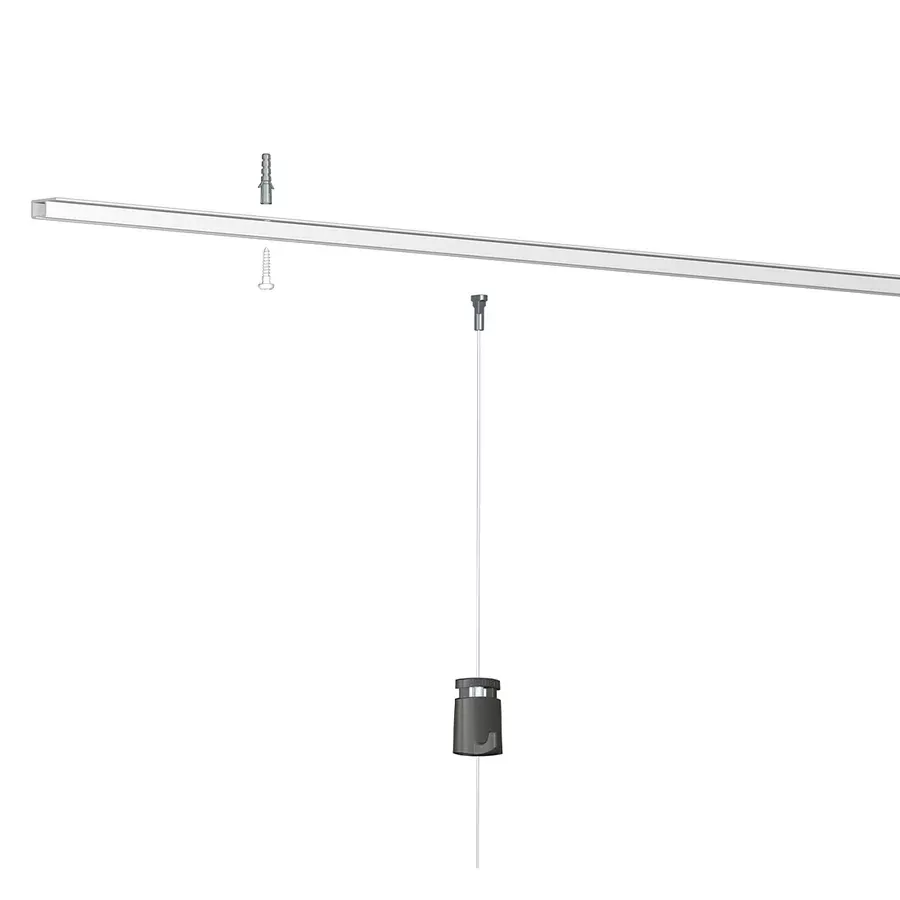
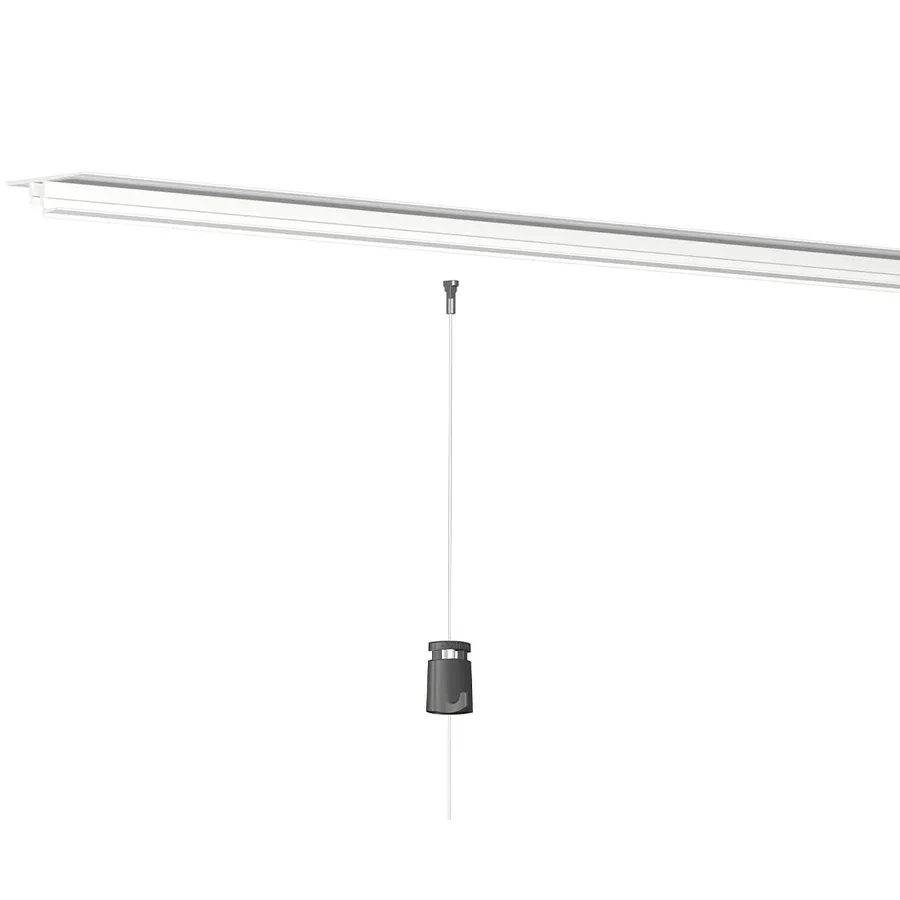
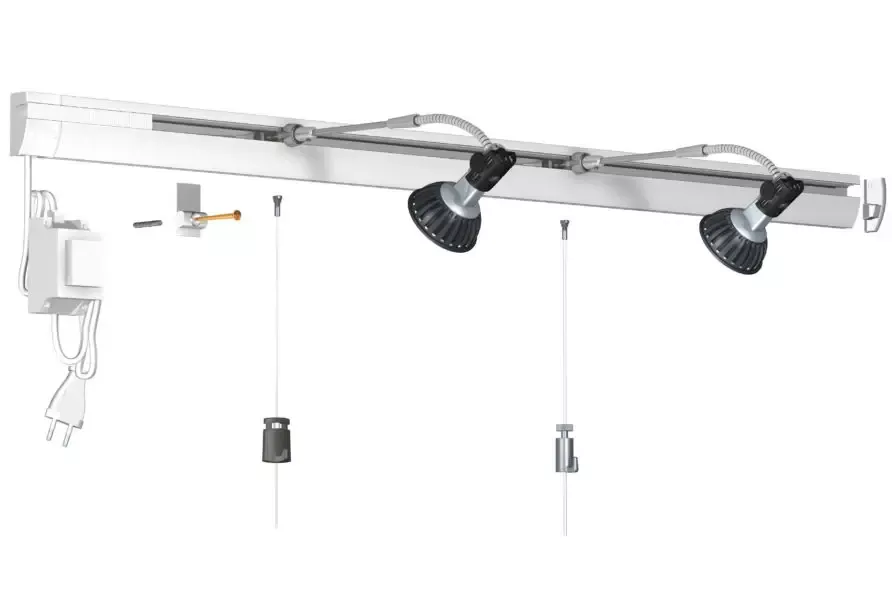
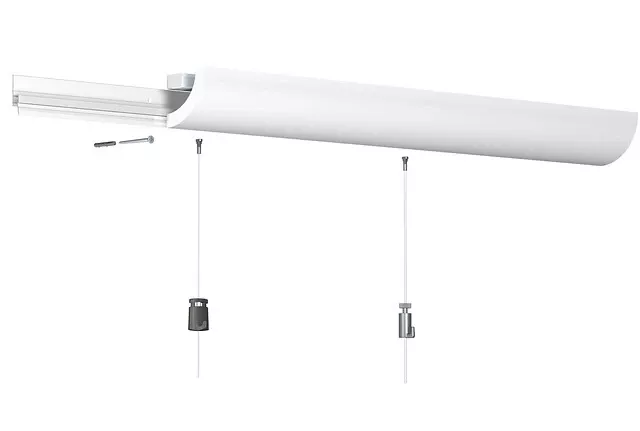
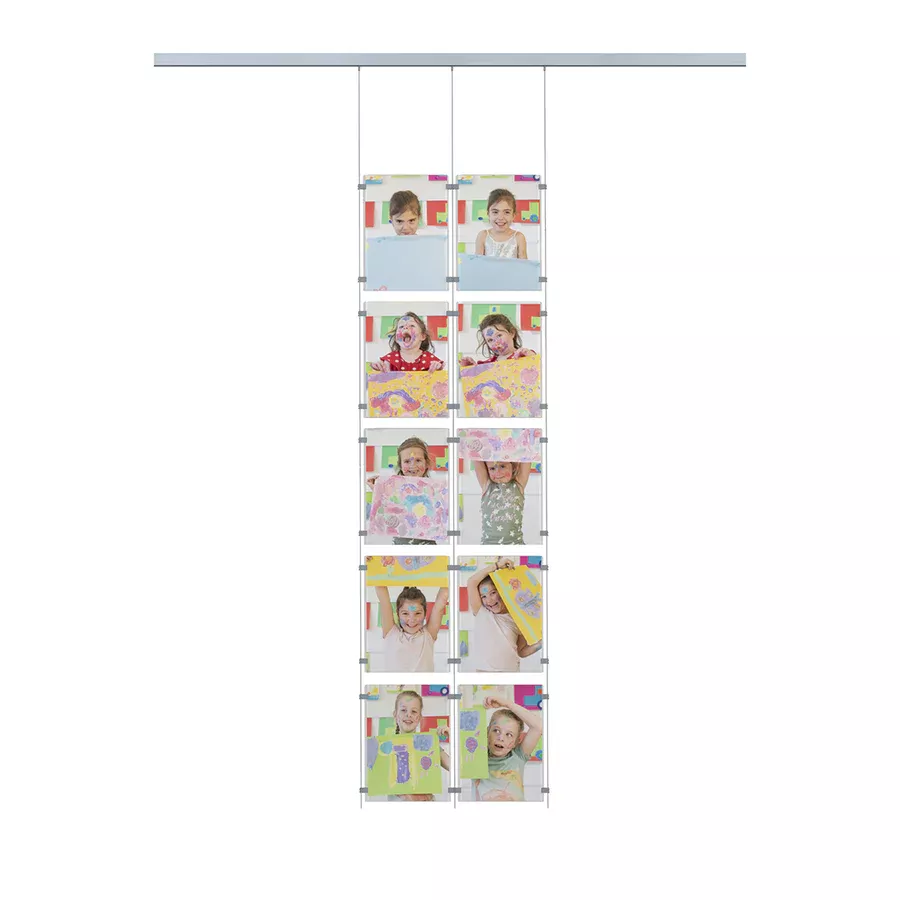
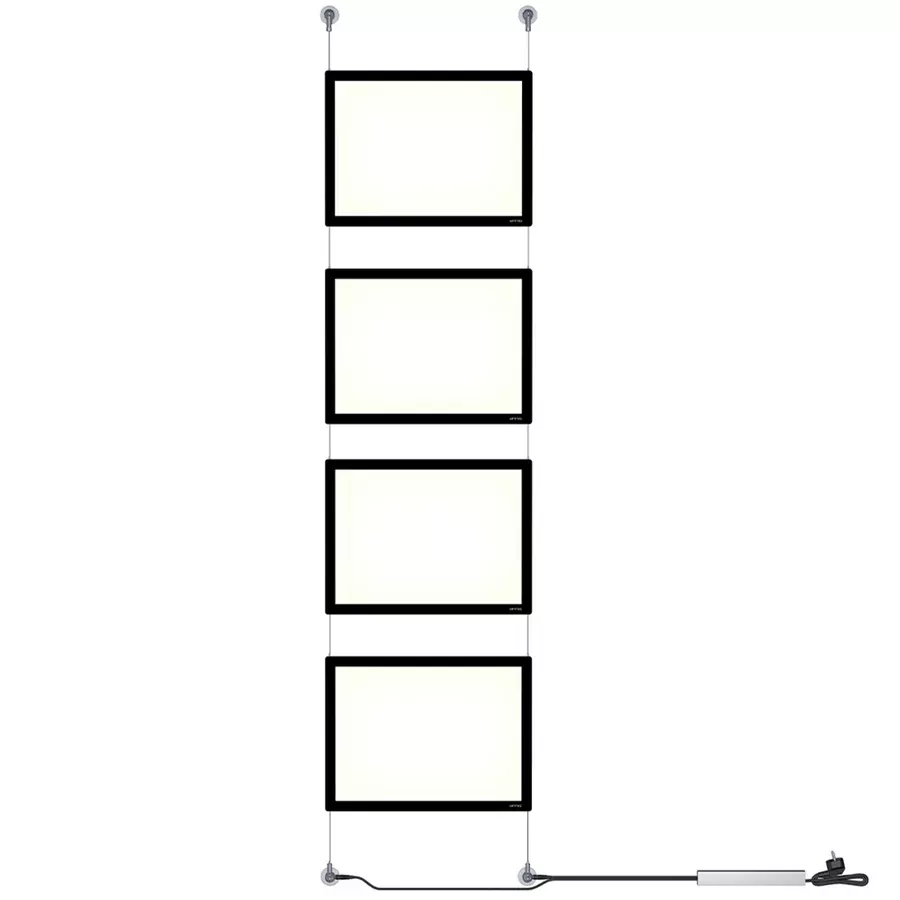
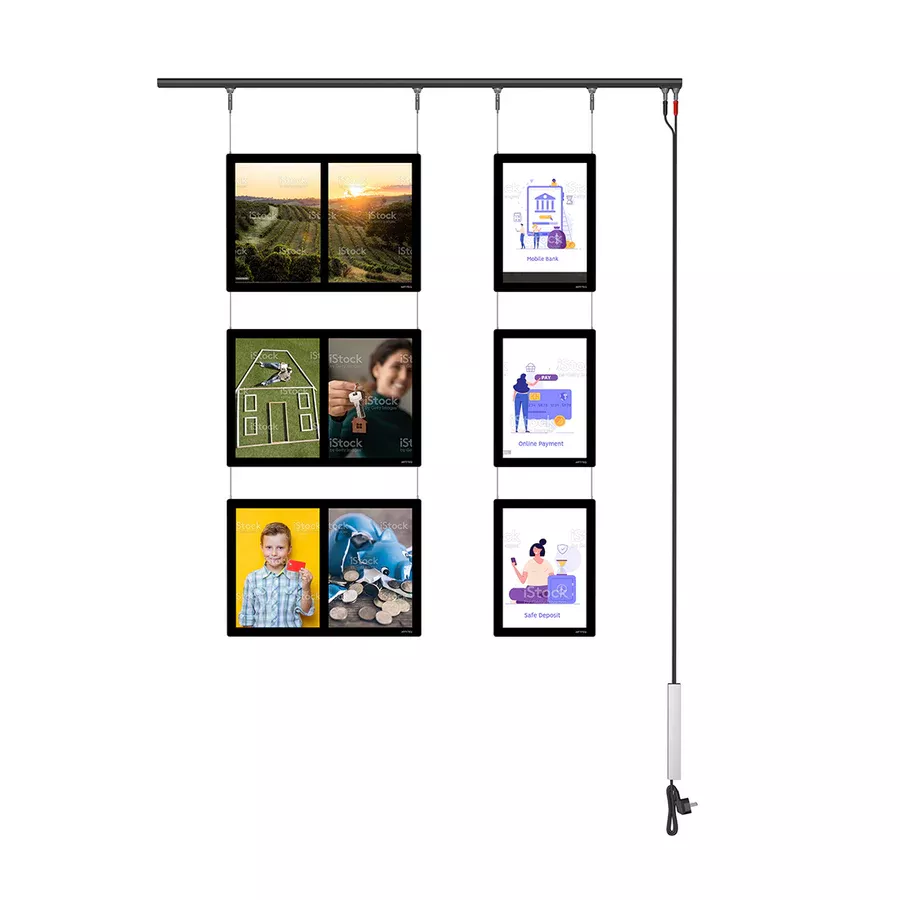
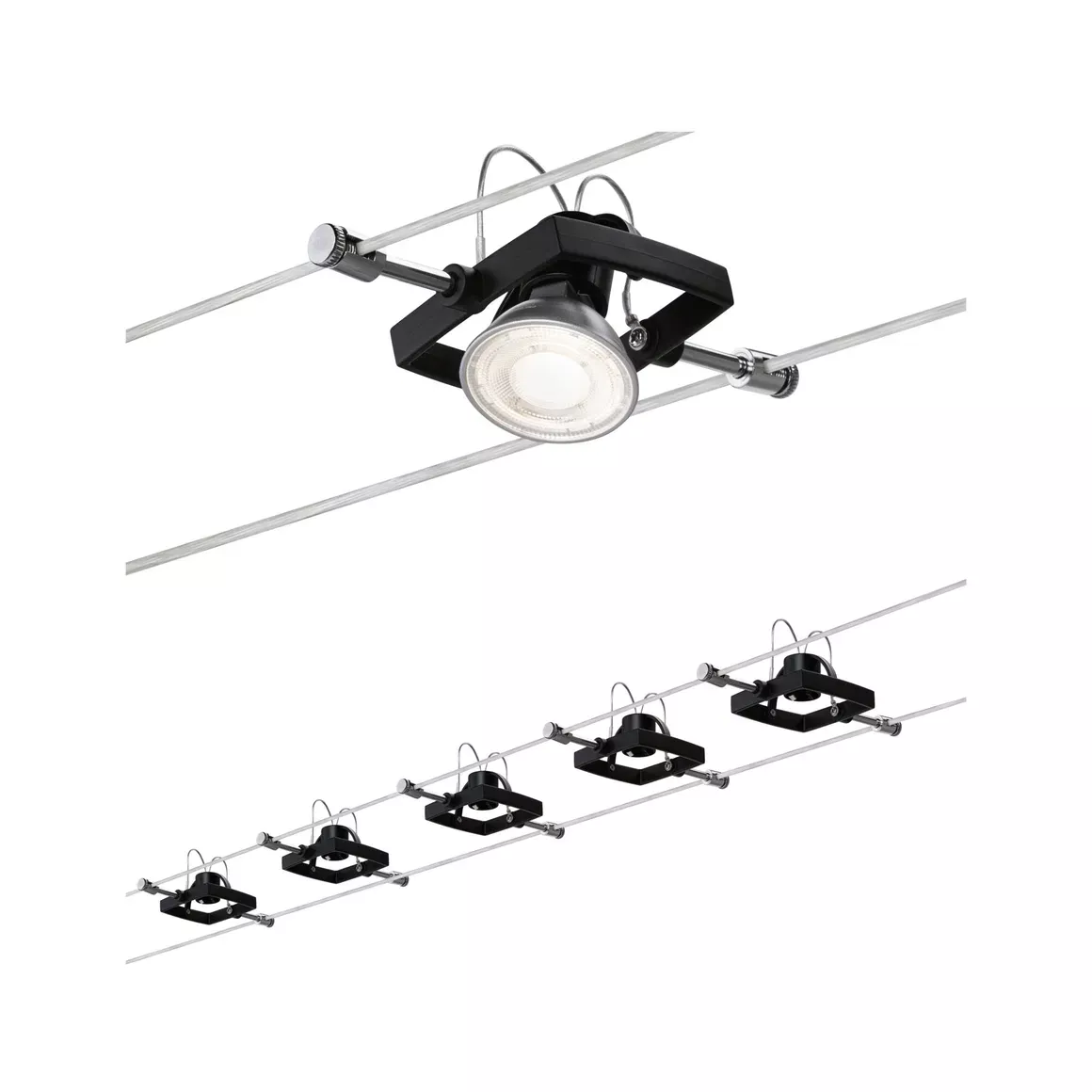
Cable system picture rail ("rail + wire" type)
-
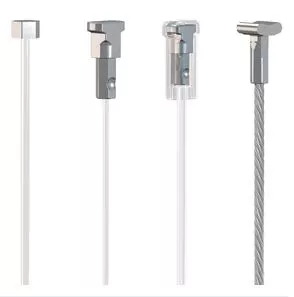
Weight per cable: between 5 to 20 kg per cable, depending on the material (nylon or steel).
-
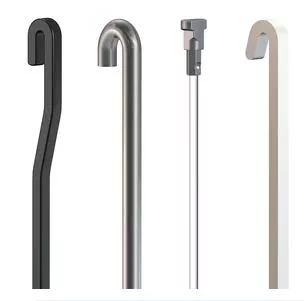
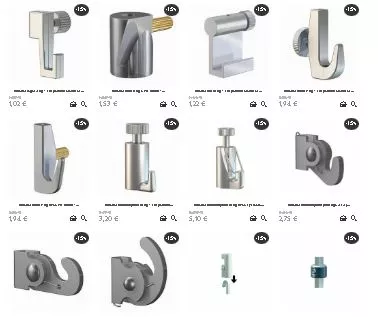
Weight per hook: depends on the type of hook used (e.g., a "zipper" hook can support 10-20 kg).
-
-
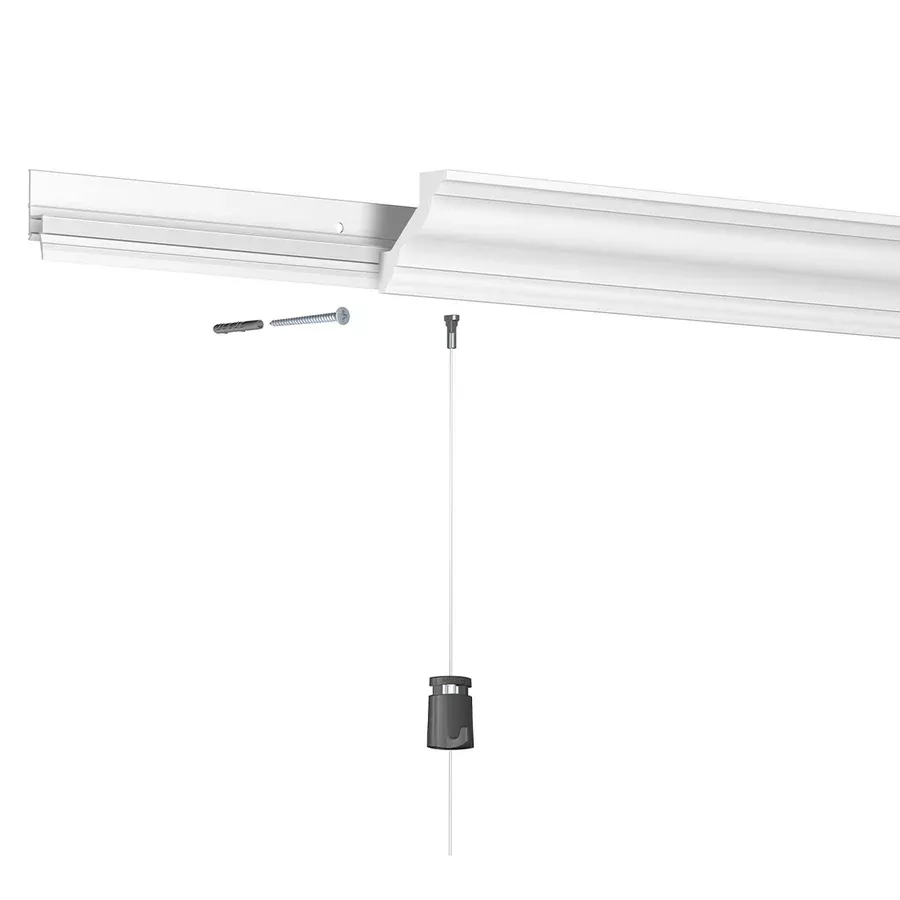
Heavy-duty fixed picture rail (solid wall + screws + plugs)
-
Can support up to 50 kg or more per meter, but this depends on the wall and fixings.
-
? Factors to consider
-
Type of wall: A plaster wall will support less weight than a concrete or brick wall.
-
Type of cable:
-
Nylon: typically up to 20 kg.
-
Steel: up to 20 kg or more.
-
-
Number of suspension points: The more you distribute the weight (e.g., 2 cables), the heavier the object you can hang.
-
Distance between fixing points: If the hooks are too far apart, it puts more strain on the rail system.
? Concrete example
A 15 kg frame:
-
Use a picture rail with a sturdy aluminum rail.
-
2 stainless steel cables + 2 zipper hooks => evenly distribute the weight = safety.
If you have a specific picture rail model or a specific weight to hang, I can provide you with a more personalized answer.
Share this content